




How do mating bearings work?
 Oct 22, 2025|
 Mating bearings play a crucial role in various industrial applications, ensuring smooth and efficient operation of machinery. As a leading mating bearing supplier, I am often asked about how these bearings work. In this blog post, I will delve into the mechanics of mating bearings, explaining their design, function, and the benefits they offer.
The Basics of Mating Bearings
Mating bearings are a set of bearings that are specifically designed to work together in a paired or grouped configuration. They are commonly used in applications where high radial and axial loads need to be supported simultaneously, such as in automotive transmissions, machine tools, and heavy machinery. The key advantage of using mating bearings is their ability to handle complex load conditions while maintaining high levels of precision and reliability.
Design and Construction
Mating bearings typically consist of two or more bearings that are carefully matched to each other. The most common types of mating bearings are tapered roller bearings, which are designed to handle both radial and axial loads. Tapered roller bearings have a conical shape, with the inner and outer races having tapered surfaces. The rollers are also tapered, allowing them to roll smoothly along the raceways.
The design of mating bearings is based on the principle of preloading. Preloading is the process of applying a controlled amount of axial load to the bearings before they are installed in the application. This helps to eliminate internal clearance within the bearings, which can improve their stiffness, accuracy, and load-carrying capacity. By preloading the bearings, the rollers are held firmly against the raceways, reducing the risk of slippage and improving the overall performance of the bearing system.
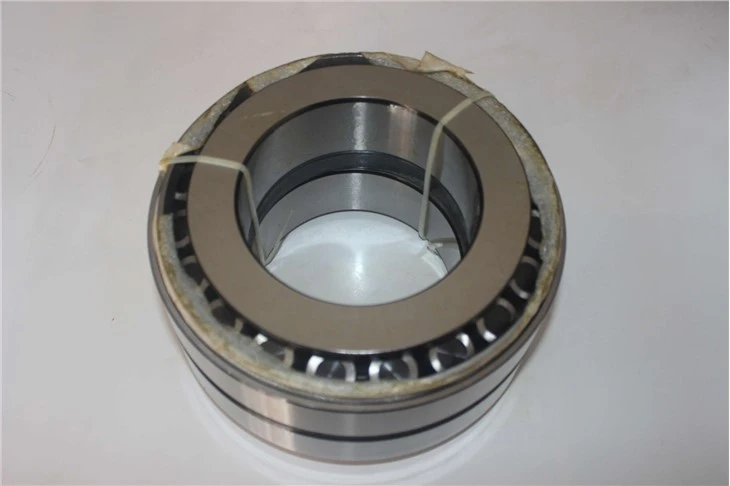

How Mating Bearings Work
The operation of mating bearings can be understood by considering the forces acting on them. When a radial load is applied to a mating bearing set, the rollers in the bearings distribute the load evenly across the raceways. The tapered shape of the rollers and raceways allows them to handle both radial and axial components of the load. As the load is applied, the rollers roll along the raceways, transmitting the force from the inner race to the outer race.
In addition to radial loads, mating bearings can also handle axial loads. Axial loads are forces that act parallel to the axis of rotation of the bearing. When an axial load is applied, the tapered rollers in the bearings create a thrust force that resists the axial movement. This allows the bearings to support both radial and axial loads simultaneously, making them ideal for applications where complex load conditions are present.
Benefits of Using Mating Bearings
There are several benefits to using mating bearings in industrial applications. Some of the key advantages include:
- High Load-Carrying Capacity: Mating bearings are designed to handle high radial and axial loads, making them suitable for heavy-duty applications.
- Improved Precision: By eliminating internal clearance through preloading, mating bearings offer improved precision and accuracy, which is essential for applications that require high levels of performance.
- Enhanced Durability: The preloading of mating bearings helps to reduce wear and tear on the rollers and raceways, extending the service life of the bearings.
- Reduced Vibration and Noise: Mating bearings provide a more stable and smooth operation, reducing vibration and noise levels in the application.
- Versatility: Mating bearings can be used in a wide range of applications, including automotive, aerospace, and industrial machinery.
Applications of Mating Bearings
Mating bearings are used in a variety of industrial applications, including:
- Automotive Transmissions: Mating bearings are used in automotive transmissions to support the gears and shafts, ensuring smooth and efficient power transfer.
- Machine Tools: In machine tools, mating bearings are used to support the spindles and other rotating components, providing high precision and accuracy.
- Heavy Machinery: Mating bearings are commonly used in heavy machinery, such as cranes, excavators, and mining equipment, to handle high loads and harsh operating conditions.
- Aerospace Applications: In the aerospace industry, mating bearings are used in aircraft engines, landing gear, and other critical components, where reliability and performance are of utmost importance.
Examples of Mating Bearings
As a mating bearing supplier, we offer a wide range of high-quality bearings for various applications. Some of our popular products include:
- 32311JR Bearings: These tapered roller bearings are designed for heavy-duty applications, offering high load-carrying capacity and excellent durability.
- HR32020XJ: This bearing is suitable for applications that require high precision and reliability, such as machine tools and automotive transmissions.
- 31308 Industrial Shaft Bearings: These bearings are designed for industrial shaft applications, providing excellent performance and long service life.
Contact Us for Your Mating Bearing Needs
If you are in need of high-quality mating bearings for your industrial application, we would be happy to assist you. Our team of experts can help you select the right bearings for your specific requirements and provide you with technical support and advice. Whether you are looking for standard or custom-designed bearings, we have the expertise and resources to meet your needs.
Contact us today to discuss your mating bearing requirements and to learn more about our products and services. We look forward to working with you to ensure the success of your industrial applications.
References
- Harris, T. A., & Kotzalas, M. N. (2007). Rolling Bearing Analysis. Wiley-Interscience.
- SKF. (2019). Rolling Bearing Handbook. SKF Group.
- Timken. (2020). Tapered Roller Bearings: Application Engineering Handbook. The Timken Company.