




How does the alignment affect the performance of a pillow block bearing?
 Nov 26, 2025|
 Hey there! As a supplier of pillow block bearings, I've seen firsthand how crucial proper alignment is for these nifty little components. In this blog, I'll break down how alignment impacts the performance of a pillow block bearing and why it's something you can't afford to overlook.
What Are Pillow Block Bearings?
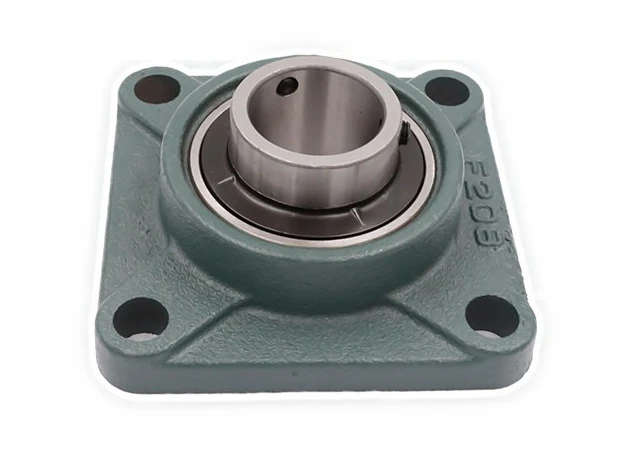
Before we dive into alignment, let's quickly go over what pillow block bearings are. These are mounted bearings typically used to support a rotating shaft. They come in various types, like UC204 Outer Spherical Bearing and Radial Insert Ball Bearing. They're designed to provide a simple and cost - effective way to support shafts in a wide range of applications, from industrial machinery to agricultural equipment.
How Alignment Works
Alignment, in the context of a pillow block bearing, refers to the correct positioning of the bearing relative to the shaft and the housing. There are two main types of alignment we need to consider: angular alignment and parallel alignment.
Angular Alignment
Angular alignment is about the angle between the shaft and the bearing axis. If the shaft is tilted relative to the bearing, it creates an angular misalignment. This can happen due to improper installation or due to the nature of the application itself. For example, in some machinery, vibrations can cause the shaft to shift slightly over time, leading to angular misalignment.
Parallel Alignment
Parallel alignment, on the other hand, is about the parallelism between the shaft and the bearing's centerline. When the shaft and the bearing are not parallel, it creates a parallel misalignment. This often occurs when the mounting surface is not flat or if there are errors during the installation process.
The Impact of Misalignment on Performance
Now that we know what alignment is, let's talk about how misalignment can mess with the performance of a pillow block bearing.
Increased Wear and Tear
One of the most significant effects of misalignment is increased wear and tear on the bearing. When a bearing is misaligned, the load is not evenly distributed across the rolling elements. This means that some parts of the bearing will experience more stress than others. For instance, in a misaligned UCF208 Pillow Block Bearing, the balls or rollers on one side may bear the brunt of the load, causing them to wear out much faster. Over time, this can lead to premature failure of the bearing, which means more downtime and higher replacement costs for you.
Reduced Load Capacity
Misalignment also reduces the load - carrying capacity of the bearing. A properly aligned bearing is designed to handle a specific amount of load. But when it's misaligned, the effective load - carrying capacity drops significantly. This is because the misaligned bearing has to work harder to support the same load, and the uneven distribution of stress makes it more likely to fail under heavy loads.

Higher Friction and Heat Generation
When a bearing is misaligned, there is more friction between the rolling elements and the raceways. This increased friction not only wears out the bearing faster but also generates a lot of heat. Excessive heat can cause the lubricant in the bearing to break down, reducing its effectiveness. Without proper lubrication, the friction and wear increase even more, creating a vicious cycle that can quickly lead to bearing failure.
Noise and Vibration
Misaligned pillow block bearings often produce more noise and vibration. The uneven movement of the rolling elements due to misalignment causes vibrations that can be felt throughout the machinery. These vibrations can not only be annoying but can also damage other components of the equipment. Additionally, the noise can be an early warning sign that something is wrong with the bearing, but if ignored, it can lead to more serious problems down the line.
How to Ensure Proper Alignment
So, how can you make sure your pillow block bearings are properly aligned?
Precise Installation
The first step is to ensure precise installation. This means using the right tools and following the manufacturer's instructions carefully. Before installing the bearing, make sure the mounting surface is clean, flat, and free of any debris. Use alignment tools, such as laser alignment systems, to ensure that the shaft and the bearing are properly aligned during installation.
Regular Maintenance and Inspection
Regular maintenance and inspection are also crucial. Check the alignment of your bearings periodically, especially if the machinery is subject to heavy vibrations or loads. Look for signs of wear, such as excessive noise or vibration, and address any alignment issues immediately. You can also perform lubrication checks and replace the lubricant as needed to keep the bearing in good condition.
Use High - Quality Bearings
Using high - quality pillow block bearings can also help with alignment. High - quality bearings are often more forgiving of minor misalignments and are designed to handle the stresses of the application better. At our company, we offer a wide range of high - quality pillow block bearings that are built to last and perform well, even in challenging conditions.
Conclusion
In conclusion, alignment plays a vital role in the performance of a pillow block bearing. Misalignment can lead to increased wear and tear, reduced load capacity, higher friction and heat generation, and noise and vibration. By ensuring proper alignment through precise installation, regular maintenance, and the use of high - quality bearings, you can extend the life of your bearings and keep your machinery running smoothly.
If you're in the market for pillow block bearings or have any questions about alignment or bearing performance, don't hesitate to reach out. We're here to help you find the right bearings for your application and ensure that they perform at their best. Let's work together to keep your machinery up and running!
References
- Harris, T. A., & Kotzalas, M. N. (2007). Rolling Bearing Analysis. Wiley.
- Shigley, J. E., & Mischke, C. R. (2003). Mechanical Engineering Design. McGraw - Hill.