




How to handle misalignment in a tapered roller bearing?
 Aug 04, 2025|
Misalignment in a tapered roller bearing can significantly impact its performance and lifespan. As a reputable tapered roller bearing supplier, I've encountered various cases of misalignment and have developed effective strategies to handle them. In this blog, I'll share my insights on how to identify, prevent, and correct misalignment in tapered roller bearings.
Understanding Misalignment in Tapered Roller Bearings
Tapered roller bearings are designed to handle both radial and axial loads, making them suitable for a wide range of applications, from automotive transmissions to industrial machinery. However, misalignment can occur due to several factors, including improper installation, shaft deflection, thermal expansion, and wear and tear over time.
There are two main types of misalignment: angular misalignment and parallel misalignment. Angular misalignment occurs when the axes of the inner and outer rings of the bearing are not parallel, while parallel misalignment happens when the axes are parallel but offset from each other. Both types of misalignment can lead to uneven loading, increased friction, and premature wear of the bearing components.
Identifying Misalignment
Early detection of misalignment is crucial to prevent further damage to the bearing and the associated machinery. Here are some signs that may indicate misalignment in a tapered roller bearing:

- Abnormal noise: Excessive noise, such as grinding, rattling, or squealing, can be a sign of misalignment. This noise is often caused by the uneven contact between the rollers and the raceways, resulting in increased friction and vibration.
- Vibration: Increased vibration levels can also indicate misalignment. Misaligned bearings can cause the machinery to vibrate more than normal, which can lead to additional stress on the components and potential damage.
- Uneven wear: Inspecting the bearing for uneven wear patterns can provide valuable clues about misalignment. Look for signs of excessive wear on one side of the rollers or raceways, which may indicate angular misalignment.
- Temperature rise: A significant increase in bearing temperature can be a sign of misalignment. Misaligned bearings generate more heat due to increased friction, which can lead to thermal expansion and further exacerbate the misalignment.
Preventing Misalignment
Preventing misalignment is the most effective way to ensure the long-term performance and reliability of tapered roller bearings. Here are some best practices to follow during installation and operation:
- Proper installation: Follow the manufacturer's installation instructions carefully to ensure that the bearing is installed correctly. Use the appropriate tools and techniques to ensure that the bearing is seated properly on the shaft and in the housing.
- Shaft and housing alignment: Before installing the bearing, ensure that the shaft and housing are properly aligned. Use alignment tools, such as laser alignment systems, to measure and adjust the alignment to within the specified tolerances.
- Lubrication: Proper lubrication is essential to reduce friction and wear in tapered roller bearings. Use the recommended lubricant and ensure that it is applied in the correct amount and at the appropriate intervals.
- Regular maintenance: Implement a regular maintenance schedule to inspect the bearing for signs of wear, damage, and misalignment. Replace worn or damaged components promptly to prevent further problems.
Correcting Misalignment
If misalignment is detected, it's important to take corrective action as soon as possible to prevent further damage to the bearing and the associated machinery. Here are some methods for correcting misalignment in tapered roller bearings:
- Shimming: Shimming involves adding thin metal shims between the bearing housing and the machinery frame to adjust the alignment. This method is commonly used to correct parallel misalignment.
- Bearing repositioning: In some cases, it may be possible to reposition the bearing on the shaft or in the housing to correct the misalignment. This method requires careful measurement and adjustment to ensure that the bearing is properly aligned.
- Shaft and housing modification: In more severe cases of misalignment, it may be necessary to modify the shaft or housing to correct the alignment. This method should only be performed by experienced technicians using the appropriate tools and techniques.
Choosing the Right Tapered Roller Bearing
When selecting a tapered roller bearing, it's important to choose a bearing that is suitable for the specific application and operating conditions. Consider the following factors when choosing a bearing:
- Load capacity: The bearing should be able to handle the radial and axial loads expected in the application.
- Speed rating: The bearing should be able to operate at the required speed without excessive heat generation or wear.
- Precision: The bearing should have the appropriate precision level to ensure accurate alignment and smooth operation.
- Sealing: The bearing should have adequate sealing to prevent contaminants from entering the bearing and causing damage.
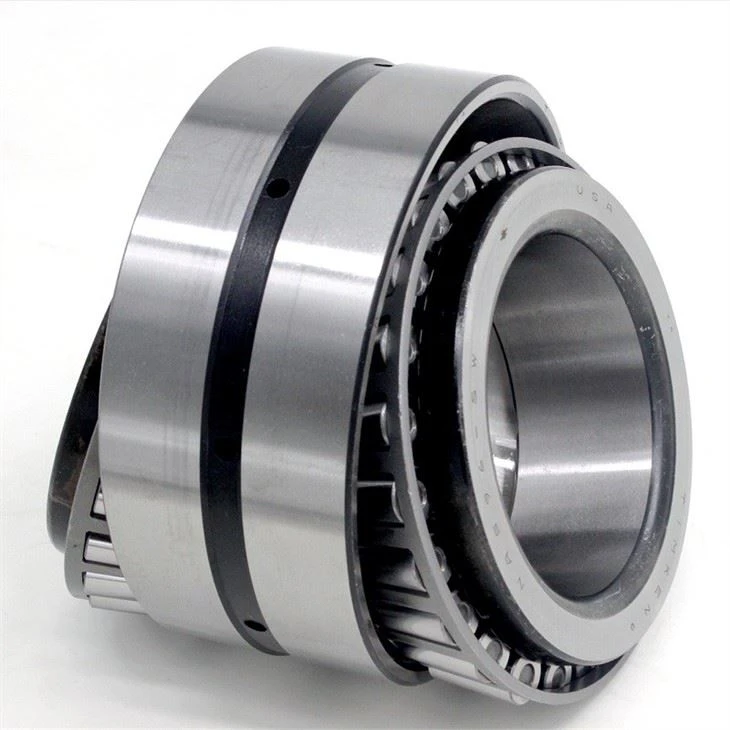
As a tapered roller bearing supplier, we offer a wide range of high-quality bearings to meet the needs of various applications. Some of our popular products include the HR32020XJ, 102949/102910 TIMKEN Inch Tapered Roller Bearings, and Double Row Tapered Roller Bearing.
Conclusion
Misalignment in a tapered roller bearing can have a significant impact on its performance and lifespan. By understanding the causes and effects of misalignment, and by following the best practices for installation, operation, and maintenance, you can prevent misalignment and ensure the long-term reliability of your bearings. If you have any questions or need assistance with choosing the right tapered roller bearing for your application, please don't hesitate to contact us. We're here to help you find the best solution for your needs.
References
- Harris, T. A., & Kotzalas, M. N. (2007). Rolling Bearing Analysis. Wiley.
- SKF. (2019). Rolling Bearing Handbook. SKF Group.
- Timken. (2020). Tapered Roller Bearing Handbook. The Timken Company.