




How to measure the axial runout of a cylindrical roller bearing?
 Aug 01, 2025|
Hey there! As a supplier of cylindrical roller bearings, I often get asked about how to measure the axial runout of these bearings. It's a crucial aspect when it comes to ensuring the proper functioning and performance of machinery that uses cylindrical roller bearings. In this blog, I'll walk you through the process of measuring the axial runout, why it matters, and some tips to get accurate results.
First off, let's understand what axial runout is. Axial runout refers to the deviation of the bearing's axial position from its ideal position. In simpler terms, it's the amount by which the bearing moves back and forth along its axis when it's rotating. Excessive axial runout can lead to a whole bunch of problems, like increased vibration, noise, and even premature wear and tear of the bearing and other components in the machinery.
Now, let's get into the nitty - gritty of how to measure it. There are a few different methods, but I'll focus on the most common and practical ones.
Method 1: Using a Dial Indicator
A dial indicator is a handy tool for measuring axial runout. Here's how you do it:
-
Prepare the Setup: First, make sure the bearing is properly mounted on the shaft. The shaft should be clean and free of any debris. You'll also need to secure the dial indicator. You can use a magnetic base to attach the indicator to a stable surface near the bearing. The tip of the indicator should be in contact with the appropriate surface of the bearing. Usually, for cylindrical roller bearings, you'll place the tip on the end face of the inner or outer ring, depending on which one you're measuring the runout for.
-
Zero the Indicator: Before you start taking measurements, set the dial indicator to zero. This ensures that any subsequent readings are relative to a known starting point.
-
Rotate the Bearing: Slowly rotate the bearing by hand or using a motor if the setup allows. As you rotate the bearing, the dial indicator will show the amount of axial movement. Keep an eye on the indicator needle. The maximum and minimum readings are what you're interested in. The difference between the maximum and minimum readings is the axial runout.
-
Take Multiple Readings: To get an accurate measurement, take several readings at different points around the bearing's rotation. This helps to account for any irregularities in the bearing's surface or mounting. Calculate the average of these readings to get a more reliable value for the axial runout.
Method 2: Using a Laser Displacement Sensor
Laser displacement sensors are a bit more high - tech but offer very accurate measurements.
-
Set up the Sensor: Mount the laser displacement sensor so that it can accurately measure the axial position of the bearing. The sensor should be aligned perpendicular to the surface of the bearing that you're measuring.
-
Calibrate the Sensor: Just like with the dial indicator, you need to calibrate the laser displacement sensor. This involves setting a reference point and ensuring that the sensor is measuring accurately.
-
Measure the Runout: Similar to the dial indicator method, rotate the bearing. The laser displacement sensor will continuously measure the axial position of the bearing surface. The sensor will output data that you can analyze to determine the axial runout. Software is often used to process this data and provide clear readings of the runout.

Factors Affecting Measurement Accuracy
There are a few things that can affect the accuracy of your axial runout measurements.
- Mounting: If the bearing is not properly mounted, it can cause false readings. Make sure the bearing is centered on the shaft and that the mounting surface is flat and parallel.
- Surface Condition: Any scratches, dents, or roughness on the bearing surface can lead to inaccurate measurements. So, always check the bearing surface for any damage before taking measurements.
- Measurement Environment: Vibration, temperature changes, and even air currents can affect the measurement. Try to perform the measurements in a stable environment with minimal external interference.
Why Measuring Axial Runout is Important for Cylindrical Roller Bearings
Cylindrical roller bearings are used in a wide range of applications, from industrial machinery to automotive engines. In these applications, precise operation is key.
- Performance: By measuring and controlling the axial runout, you can ensure that the bearing operates smoothly. This leads to better overall performance of the machinery, including reduced energy consumption and improved efficiency.
- Longevity: Excessive axial runout can cause uneven loading on the bearing, which can lead to premature failure. By keeping the runout within acceptable limits, you can extend the lifespan of the bearing.
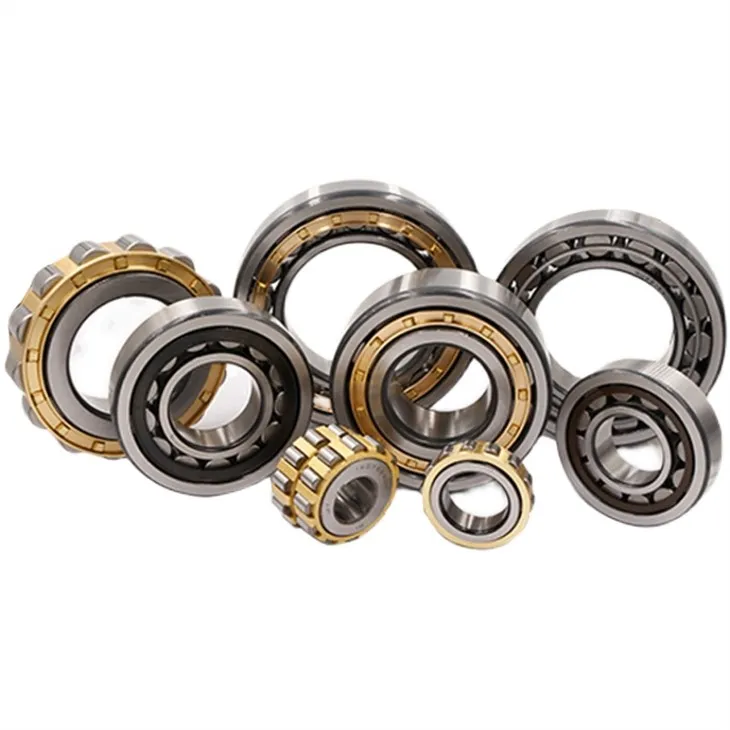
Let's take a look at some of the cylindrical roller bearings we offer at our company. We have the NJ202EM Cylindrical Roller Bearings, which are known for their high - quality construction and reliable performance. These bearings are suitable for a variety of light - to - medium - duty applications.
Another great option is the NU318EM Cylindrical Roller Bearing. It's designed for heavy - duty applications and can withstand high radial loads.
And if you're looking for something with a bit more advanced features, the NU210 - E - XL - TVP2 Cylindrical Roller Bearing is a great choice. It offers enhanced performance and durability.
Tips for Maintaining Acceptable Axial Runout
Once you've measured the axial runout, here are some tips to keep it within acceptable limits:
- Proper Installation: Follow the manufacturer's installation instructions carefully. Use the right tools and techniques to ensure a proper fit.
- Regular Maintenance: Inspect the bearings regularly for signs of wear or damage. Lubricate them as recommended to reduce friction and prevent excessive movement.
- Alignment: Make sure the shaft and housing are properly aligned. Misalignment can cause increased axial runout.
In conclusion, measuring the axial runout of cylindrical roller bearings is an important part of ensuring their proper performance and longevity. By using the right tools and techniques, you can accurately measure the runout and take steps to keep it within acceptable limits.
If you're in the market for high - quality cylindrical roller bearings or have any questions about axial runout measurement, don't hesitate to reach out. We're here to help you find the right bearings for your application and ensure they perform at their best.
References
- Machinery's Handbook, 31st Edition
- Bearing Design and Application Manual by SKF