




How to optimize the performance of a cylindrical roller bearing?
 Aug 14, 2025|
Hey there! As a supplier of cylindrical roller bearings, I've seen firsthand how crucial it is to optimize their performance. In this blog, I'll share some practical tips and insights to help you get the most out of these bearings.
1. Proper Installation
The first step in optimizing the performance of a cylindrical roller bearing is proper installation. A poorly installed bearing can lead to premature wear, increased friction, and even failure.
- Clean the Housing and Shaft: Before installing the bearing, make sure the housing and shaft are clean and free of any debris or contaminants. Any foreign particles can cause damage to the bearing surfaces and reduce its lifespan.
- Use the Right Tools: Always use the appropriate tools for installation. This includes bearing pullers, presses, and other specialized equipment. Using the wrong tools can damage the bearing and lead to improper installation.
- Follow the Manufacturer's Instructions: Each bearing has specific installation requirements. Make sure to follow the manufacturer's instructions carefully to ensure proper installation. This may include things like the correct amount of interference fit, the use of lubrication, and the proper tightening torque for bolts.
2. Lubrication
Lubrication is essential for the proper functioning of a cylindrical roller bearing. It reduces friction, prevents wear, and helps to dissipate heat.
- Choose the Right Lubricant: The type of lubricant you choose depends on several factors, including the operating conditions, the speed of the bearing, and the load it will be subjected to. There are two main types of lubricants: oil and grease. Oil is typically used for high-speed applications, while grease is used for lower-speed applications.
- Maintain the Right Lubricant Level: It's important to maintain the right lubricant level in the bearing. Too little lubrication can cause increased friction and wear, while too much lubrication can lead to overheating and other problems.
- Change the Lubricant Regularly: Over time, lubricants can break down and become contaminated. It's important to change the lubricant regularly to ensure optimal performance. The frequency of lubricant changes depends on the operating conditions and the type of lubricant used.
3. Load Management
Proper load management is crucial for the long-term performance of a cylindrical roller bearing. Excessive loads can cause premature wear, fatigue, and even failure.
- Understand the Load Requirements: Before selecting a bearing, it's important to understand the load requirements of the application. This includes the magnitude of the load, the direction of the load, and the frequency of the load.
- Choose the Right Bearing Size and Type: Based on the load requirements, choose the right bearing size and type. Cylindrical roller bearings come in a variety of sizes and types, each designed to handle different loads and operating conditions.
- Avoid Overloading the Bearing: Make sure to avoid overloading the bearing. This can be done by ensuring that the load is within the bearing's rated capacity and by using proper load distribution techniques.
4. Operating Conditions
The operating conditions of a cylindrical roller bearing can have a significant impact on its performance. Factors such as temperature, speed, and vibration can all affect the bearing's lifespan and performance.

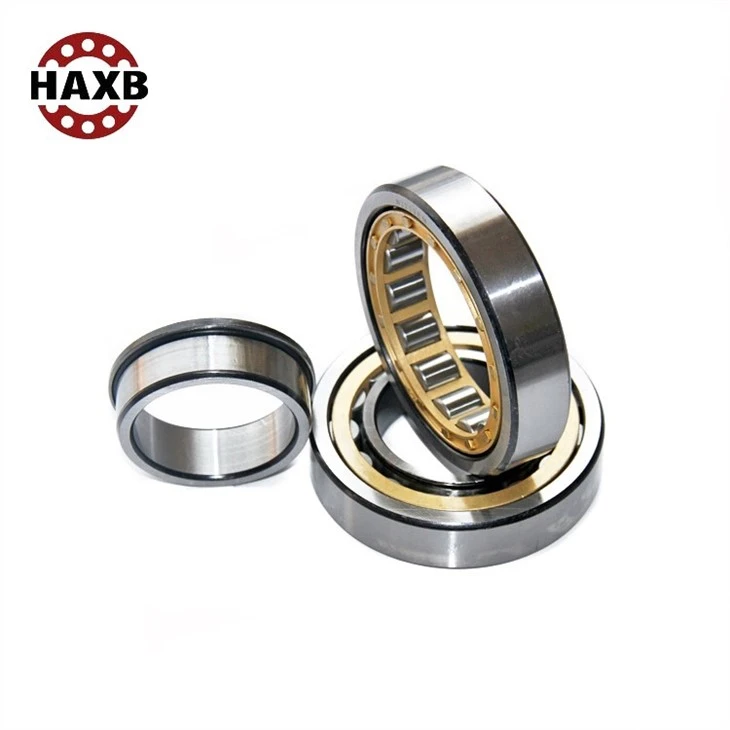
- Control the Temperature: High temperatures can cause the lubricant to break down and the bearing materials to expand, leading to increased friction and wear. It's important to control the temperature of the bearing by using proper cooling methods and by avoiding overheating.
- Limit the Speed: Excessive speed can cause the bearing to generate more heat and increase the risk of fatigue failure. Make sure to limit the speed of the bearing to within its rated capacity.
- Reduce Vibration: Vibration can cause the bearing to wear prematurely and can also lead to other problems such as noise and instability. It's important to reduce vibration by using proper mounting techniques and by balancing the rotating components.
5. Regular Inspection and Maintenance
Regular inspection and maintenance are essential for the long-term performance of a cylindrical roller bearing. By identifying and addressing potential problems early, you can prevent costly breakdowns and extend the lifespan of the bearing.
- Inspect the Bearing Regularly: Regularly inspect the bearing for signs of wear, damage, or contamination. This can be done by visually inspecting the bearing and by using non-destructive testing methods such as ultrasonic testing.
- Replace Worn or Damaged Parts: If you notice any signs of wear or damage, replace the worn or damaged parts immediately. This can help to prevent further damage to the bearing and ensure optimal performance.
- Keep Records of Maintenance: Keep records of all maintenance activities, including lubricant changes, inspections, and part replacements. This can help you to track the bearing's performance over time and identify any trends or patterns.
6. Product Selection
As a supplier of cylindrical roller bearings, I offer a wide range of products to meet the needs of different applications. Here are some of our popular products:
- NU203EM Machine Tool Bearings: These bearings are designed for use in machine tools and other high-precision applications. They offer high radial load capacity and low friction, making them ideal for high-speed operation.
- RN210M Bulldozer Bearings: These bearings are designed for use in bulldozers and other heavy equipment. They offer high load capacity and excellent durability, making them suitable for harsh operating conditions.
- NJ204EM Cylindrical Roller Bearings: These bearings are designed for general industrial applications. They offer a good balance of load capacity, speed, and durability, making them a popular choice for a wide range of applications.
Conclusion
Optimizing the performance of a cylindrical roller bearing requires a combination of proper installation, lubrication, load management, operating condition control, regular inspection and maintenance, and product selection. By following these tips and guidelines, you can ensure that your bearings operate at peak performance and have a long lifespan.
If you're in the market for cylindrical roller bearings or have any questions about bearing optimization, feel free to reach out. I'm here to help you find the right solutions for your needs and to ensure that your bearings perform at their best.
References
- "Rolling Bearing Analysis" by Tedric A. Harris
- "Bearing Installation and Maintenance Manual" by SKF
- "Handbook of Lubrication and Tribology" by Bharat Bhushan