




How to reduce the friction coefficient of pillow block bearings?
 May 14, 2026|
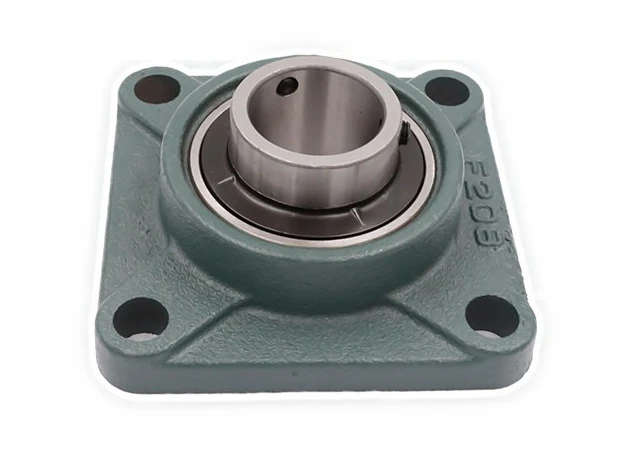
 In the field of mechanical engineering and industrial applications, pillow block bearings play a crucial role. These bearings are designed to support a rotating shaft while providing a mounting surface and are commonly used in a variety of machinery, from conveyor systems to agricultural equipment. One of the key performance indicators of pillow block bearings is the friction coefficient. A lower friction coefficient can lead to reduced energy consumption, less heat generation, and extended bearing life. As a pillow block bearing supplier, I understand the significance of minimizing the friction coefficient, and in this blog, I will share some effective strategies to achieve this goal.
Understanding the Friction in Pillow Block Bearings
Before diving into the methods of reducing the friction coefficient, it's essential to understand the sources of friction in pillow block bearings. Friction in these bearings mainly results from two types of interactions: sliding friction between the rolling elements (balls or rollers) and the raceways, and sliding friction between the cage and the rolling elements. Additionally, external factors such as contamination, improper lubrication, and misalignment can also increase the friction.
Selecting the Right Bearing Material
The material of the bearing components significantly affects the friction coefficient. For example, high - quality steel alloys are commonly used for pillow block bearings due to their excellent strength and wear resistance. Some advanced materials, such as ceramic materials, can also be considered. Ceramic rolling elements, like silicon nitride, have lower density and higher hardness compared to steel. This results in less centrifugal force at high speeds and reduced friction between the rolling elements and the raceways. Bearings made with these alternative materials can offer improved performance and a lower friction coefficient. For instance, UCP220 Bearing can be manufactured with different materials, and choosing the appropriate one can have a substantial impact on its friction characteristics.
Proper Lubrication
Lubrication is perhaps the most crucial factor in reducing the friction coefficient of pillow block bearings. A good lubricant forms a thin film between the moving parts of the bearing, separating the surfaces and reducing direct contact. This film helps to minimize wear and friction.
There are different types of lubricants available, including grease and oil. Grease is a popular choice for many pillow block bearing applications due to its ease of use and ability to stay in place. It provides a continuous supply of lubrication and can also act as a seal against contaminants. However, the type of grease should be selected based on the operating conditions such as temperature, speed, and load. For high - speed applications, a low - viscosity grease may be more suitable, while high - temperature applications require greases with good thermal stability.
Oil lubrication, on the other hand, offers better heat dissipation and can handle higher speeds. It is commonly used in applications with high - precision requirements. Regular oil analysis should be conducted to ensure its quality and effectiveness. For UCF208 Pillow Block Bearing, proper lubrication is essential to maintain a low friction coefficient and ensure long - term performance.
Precision Manufacturing
The manufacturing process of pillow block bearings also influences the friction coefficient. High - precision manufacturing techniques ensure that the bearing components have accurate dimensions and smooth surfaces. The roundness of the rolling elements, the finish of the raceways, and the alignment of the internal components all play a role in reducing friction.
During the manufacturing process, strict quality control measures should be implemented. This includes using advanced machining equipment, such as CNC machines, to ensure the accuracy of the parts. Additionally, surface treatment processes, like grinding and polishing, can be used to improve the surface finish of the bearing components. A smoother surface reduces the contact area between the moving parts, thereby reducing friction. For example, UCF207 Outer Spherical Plain Bearing With Seat benefits from precision manufacturing to achieve a low friction coefficient.
Correct Installation
Proper installation of pillow block bearings is vital for minimizing friction. Incorrect installation can lead to misalignment, which increases the load on certain areas of the bearing and results in higher friction. When installing the bearing, it is necessary to ensure that the shaft is straight and properly aligned with the housing. The bearing should be mounted evenly and without excessive force.
Using the correct installation tools is also important. For example, a hydraulic press can be used to install the bearing onto the shaft without causing damage. Additionally, the housing should be clean and free of any debris or contaminants before installation. This helps to prevent premature wear and increased friction.
Contamination Control
Contamination is a major cause of increased friction in pillow block bearings. Dust, dirt, water, and other foreign particles can enter the bearing and cause abrasion between the moving parts. To reduce the friction coefficient, it is necessary to implement effective contamination control measures.
Seals are an important part of contamination control. High - quality seals can prevent contaminants from entering the bearing while retaining the lubricant. There are different types of seals available, such as contact seals and non - contact seals. Contact seals provide better protection against contaminants but may introduce some additional friction. Non - contact seals, on the other hand, offer less friction but may not be as effective in preventing the entry of small particles.
Regular maintenance and inspection are also crucial. The bearing should be cleaned and the lubricant should be changed at regular intervals. This helps to remove any accumulated contaminants and ensure the proper functioning of the bearing.
Monitoring and Maintenance
Continuous monitoring of the bearing's performance can help to detect any issues early and take corrective actions to reduce friction. Temperature sensors can be used to monitor the temperature of the bearing. An increase in temperature may indicate excessive friction, which could be due to factors such as improper lubrication or misalignment.
Vibration sensors can also be used to detect abnormal vibrations in the bearing. Unusual vibrations may be a sign of wear, misalignment, or other problems. By analyzing the vibration data, it is possible to identify the root cause of the problem and take appropriate measures to reduce friction.
Regular maintenance, including lubricant replacement, seal inspection, and alignment checks, is essential for keeping the friction coefficient at a low level. This proactive approach can extend the life of the bearing and improve the overall efficiency of the machinery.

Conclusion
Reducing the friction coefficient of pillow block bearings is a multi - faceted task that involves material selection, lubrication, manufacturing precision, installation, contamination control, and monitoring. As a pillow block bearing supplier, I am committed to providing high - quality bearings and solutions to help our customers achieve lower friction coefficients and better performance.
If you are in the market for pillow block bearings or need advice on reducing the friction coefficient of your existing bearings, we are here to assist you. Contact us to discuss your specific requirements and explore how our products can meet your needs.
References
- Harris, T. A., & Kotzalas, M. N. (2007). Rolling Bearing Analysis. Wiley.
- Zaretsky, E. V. (2010). Ball and Roller Bearing Engineering. CRC Press.
- Stachowiak, G. W., & Batchelor, A. W. (2013). Engineering Tribology. Elsevier.