




How to replace a damaged stainless steel bearing?
 Jan 05, 2026|
 Hey there! I'm a supplier of Stainless Steel Bearings, and I've seen my fair share of damaged bearings over the years. Replacing a damaged stainless steel bearing might seem like a daunting task, but with the right know - how, it can be a relatively straightforward process. In this blog, I'll walk you through the steps to replace a damaged stainless steel bearing, so let's get started!
Step 1: Identify the Problem
The first thing you need to do is figure out that the bearing is actually damaged. There are a few tell - tale signs. If you hear unusual noises, like grinding, clicking, or squealing, coming from the machinery where the bearing is installed, it could be a sign of a problem. Vibration is another red flag. Excessive vibration can indicate that the bearing is worn out or misaligned. Also, check for any visible signs of damage, such as cracks, chips, or excessive wear on the bearing's raceways or balls.
As a bearing supplier, I've found that different types of bearings have different failure modes. For example, the SS Ball Bearing is commonly used in various applications, and it can fail due to contamination, improper lubrication, or overloading.
Step 2: Gather the Necessary Tools
Before you start the replacement process, you'll need to gather the right tools. Here's a basic list:
- Socket Set and Wrenches: You'll use these to remove any bolts or nuts holding the bearing housing in place. Make sure you have the correct sizes for your specific application.
- Puller: A bearing puller is essential for removing the old bearing. There are different types of pullers, such as two - jaw and three - jaw pullers. Choose the one that fits the size and type of the bearing you're removing.
- Cleaning Supplies: You'll need a degreaser and some clean rags to clean the bearing housing and the shaft before installing the new bearing. This helps to remove any dirt, debris, or old lubricant.
- Lubricant: Proper lubrication is crucial for the performance and longevity of the new bearing. Choose a high - quality lubricant that is suitable for stainless steel bearings and the operating conditions of your machinery.
- New Bearing: Of course, you'll need a replacement bearing. Make sure to select the correct size, type, and specification for your application. For instance, if you're replacing a small - sized bearing, the SS628ZZ Deep Groove Ball Bearing might be a good choice. If you need a larger bearing, the Deep Groove Ball Bearing 6202ZZ could be more appropriate.
Step 3: Remove the Old Bearing
Once you have all the tools ready, it's time to remove the old bearing. Here's how you do it:
- Disconnect the Power: Safety first! Make sure the machinery is turned off and unplugged to avoid any accidental startup during the replacement process.
- Remove the Bearing Housing Cover: Use your socket set or wrenches to remove the bolts or nuts holding the bearing housing cover in place. Carefully lift off the cover and set it aside.
- Use the Puller: Attach the bearing puller to the old bearing. Make sure the puller is centered and securely attached. Then, slowly turn the puller's screw to apply pressure and pull the bearing off the shaft. This might take a bit of force, so be patient.
- Clean the Shaft and Housing: After removing the old bearing, use the degreaser and rags to clean the shaft and the bearing housing. Pay special attention to any grooves or channels where dirt and debris might be trapped.
Step 4: Install the New Bearing
Now that the old bearing is out and everything is clean, it's time to install the new bearing.
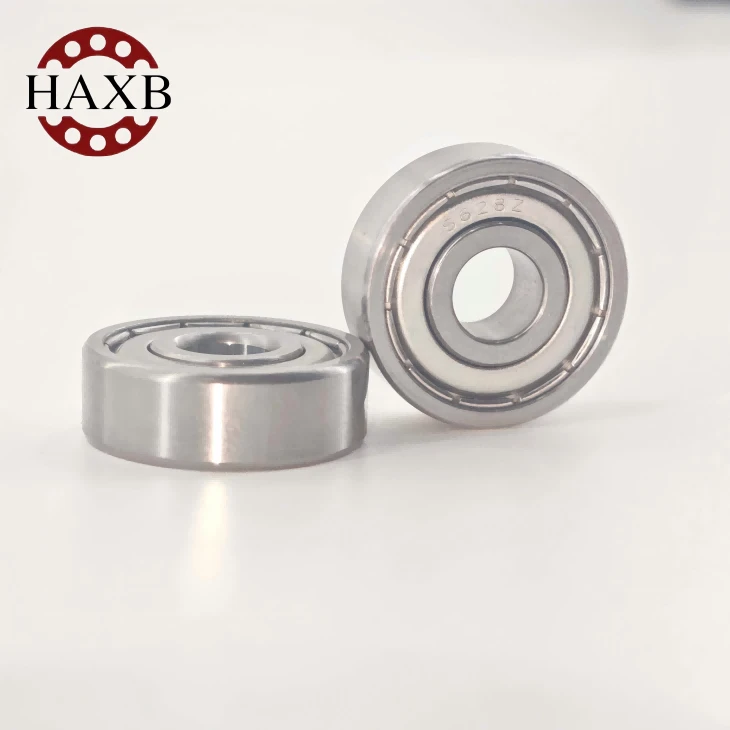
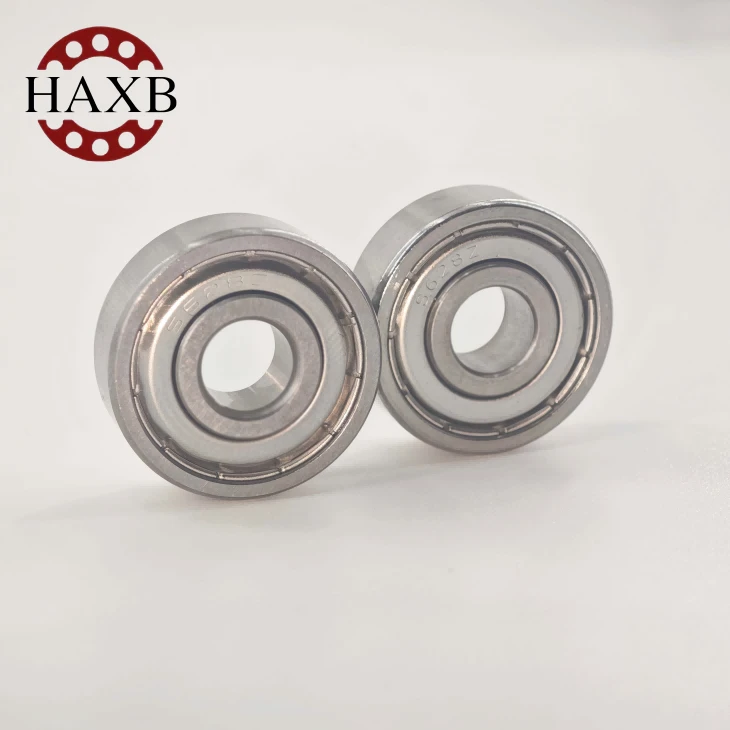
- Check the New Bearing: Before installation, inspect the new bearing to make sure it's in good condition. Check for any visible defects or damage.
- Apply Lubricant: Apply a thin layer of lubricant to the shaft and the inside of the bearing housing. This helps the bearing slide into place easily and provides initial lubrication.
- Press the Bearing onto the Shaft: You can use a press or a soft - faced hammer and a block of wood to gently press the new bearing onto the shaft. Make sure the bearing is properly aligned with the shaft and that it seats fully. Avoid hitting the bearing directly with the hammer, as this can damage the bearing.
- Reassemble the Bearing Housing: Once the bearing is installed on the shaft, carefully place the bearing housing cover back on and tighten the bolts or nuts. Make sure not to over - tighten them, as this can cause misalignment or damage to the bearing.
Step 5: Test the Machinery
After installing the new bearing, it's important to test the machinery to make sure everything is working properly.
- Reconnect the Power: Plug in the machinery and turn it on. Listen for any unusual noises or vibrations. If you hear anything out of the ordinary, turn off the machinery immediately and check the bearing installation.
- Monitor the Temperature: Use an infrared thermometer to monitor the temperature of the bearing housing during operation. A sudden increase in temperature could indicate a problem with the bearing or the installation.
Tips and Tricks
- Keep Records: As a bearing supplier, I always recommend keeping records of bearing replacements. Note down the date of replacement, the type of bearing used, and any issues you encountered during the process. This can be helpful for future maintenance and troubleshooting.
- Follow Manufacturer's Guidelines: Different bearing manufacturers may have specific installation and maintenance guidelines. Make sure to follow these guidelines to ensure the best performance and longevity of your bearings.
- Regular Maintenance: To prevent future bearing damage, establish a regular maintenance schedule. This includes checking the lubrication levels, inspecting for signs of wear, and cleaning the bearings and their surroundings.
Conclusion
Replacing a damaged stainless steel bearing might seem like a complex task, but by following these steps, you can do it safely and effectively. Remember, as a Stainless Steel Bearing supplier, I'm here to help you with any questions you might have about bearing selection, installation, or maintenance. If you're in the market for high - quality stainless steel bearings, don't hesitate to reach out for a procurement discussion. We can work together to find the perfect bearings for your specific needs.
References
- Machinery's Handbook, 31st Edition
- Bearing Installation and Maintenance Guides from leading bearing manufacturers