




How to select the ball material for ball bearings?
 May 11, 2026|
 Selecting the right ball material for ball bearings is a crucial decision that can significantly impact the performance, durability, and cost of your equipment. As a ball bearings supplier, I've seen firsthand how the choice of ball material can make or break a project. In this blog post, I'll share some insights on how to select the best ball material for your specific needs.
Understanding the Basics of Ball Materials
Before we dive into the selection process, let's take a quick look at the most common ball materials used in ball bearings:
- Steel: Steel is the most widely used ball material due to its high strength, durability, and relatively low cost. It comes in various grades, including chrome steel, stainless steel, and carbon steel. Chrome steel is the most common choice for general-purpose ball bearings, while stainless steel is preferred for applications where corrosion resistance is required.
- Ceramic: Ceramic balls offer several advantages over steel balls, including higher hardness, lower density, and better resistance to wear and corrosion. They are often used in high-speed, high-temperature, and high-precision applications, such as aerospace, automotive, and medical equipment.
- Plastic: Plastic balls are lightweight, corrosion-resistant, and have low friction coefficients. They are commonly used in applications where weight reduction, noise reduction, or chemical resistance is required, such as food processing, packaging, and electronics.
Factors to Consider When Selecting Ball Materials
Now that you have a basic understanding of the different ball materials available, let's discuss the key factors to consider when selecting the right ball material for your ball bearings:
- Load Capacity: The load capacity of a ball bearing is determined by the size, shape, and material of the balls. Steel balls generally have higher load capacities than ceramic or plastic balls, making them suitable for heavy-duty applications. However, ceramic balls can offer higher load capacities at high speeds due to their lower density and better resistance to wear.
- Speed: The speed at which a ball bearing operates also affects the choice of ball material. Ceramic balls are ideal for high-speed applications because they have lower friction coefficients and better resistance to heat and wear than steel balls. Plastic balls are also suitable for high-speed applications, but they have lower load capacities than steel or ceramic balls.
- Temperature: The operating temperature of a ball bearing can also impact the choice of ball material. Steel balls can withstand high temperatures, but they may lose their hardness and strength if exposed to extreme heat for an extended period. Ceramic balls are more resistant to high temperatures than steel balls and can operate at temperatures up to 1,000°C. Plastic balls are not suitable for high-temperature applications because they can melt or deform at relatively low temperatures.
- Corrosion Resistance: If your ball bearings will be exposed to corrosive environments, such as water, chemicals, or saltwater, you'll need to choose a ball material that is resistant to corrosion. Stainless steel balls are the most common choice for corrosion-resistant applications, but ceramic balls can also offer excellent corrosion resistance. Plastic balls are also resistant to corrosion, but they may not be suitable for applications where high strength or load capacity is required.
- Cost: The cost of the ball material is also an important factor to consider. Steel balls are the most affordable option, followed by plastic balls. Ceramic balls are the most expensive option, but they offer significant performance advantages over steel and plastic balls in certain applications.
Examples of Ball Materials in Different Applications
To help you better understand how to select the right ball material for your specific needs, let's take a look at some examples of ball materials used in different applications:
- Automotive Industry: In the automotive industry, ball bearings are used in various applications, such as engines, transmissions, and wheels. Steel balls are the most commonly used ball material in automotive ball bearings due to their high strength, durability, and relatively low cost. However, ceramic balls are increasingly being used in high-performance applications, such as racing engines, to improve fuel efficiency and reduce emissions.
- Aerospace Industry: The aerospace industry requires ball bearings that can operate at high speeds, temperatures, and loads. Ceramic balls are the preferred choice for aerospace applications because they offer excellent performance in these extreme conditions. They are also lighter than steel balls, which helps to reduce the weight of the aircraft and improve fuel efficiency.
- Medical Industry: In the medical industry, ball bearings are used in various devices, such as surgical instruments, dental tools, and medical imaging equipment. Stainless steel balls are the most commonly used ball material in medical applications due to their corrosion resistance and biocompatibility. However, ceramic balls are also being used in some high-precision medical devices to improve performance and reduce wear.
- Food Processing Industry: The food processing industry requires ball bearings that are resistant to corrosion, contamination, and high temperatures. Plastic balls are the preferred choice for food processing applications because they are lightweight, corrosion-resistant, and easy to clean. They are also non-toxic and do not contain any harmful chemicals, making them safe for use in food contact applications.
Additional Considerations
In addition to the factors mentioned above, there are a few other things to keep in mind when selecting the ball material for your ball bearings:
- Compatibility: Make sure the ball material you choose is compatible with the other components of the ball bearing, such as the inner and outer rings, cage, and lubricant. Incompatible materials can cause premature wear, corrosion, or failure of the ball bearing.
- Manufacturing Process: The manufacturing process used to produce the ball bearings can also affect the performance and quality of the balls. Make sure the manufacturer uses high-quality materials and advanced manufacturing techniques to ensure the balls meet your specifications and requirements.
- Testing and Certification: It's important to choose a ball bearing supplier that offers testing and certification services to ensure the balls meet the required standards and specifications. This can help you avoid costly downtime and repairs due to ball bearing failure.
Conclusion
Selecting the right ball material for your ball bearings is a critical decision that can have a significant impact on the performance, durability, and cost of your equipment. By considering the factors mentioned above and working with a reputable ball bearing supplier, you can choose the best ball material for your specific needs and ensure the long-term success of your project.
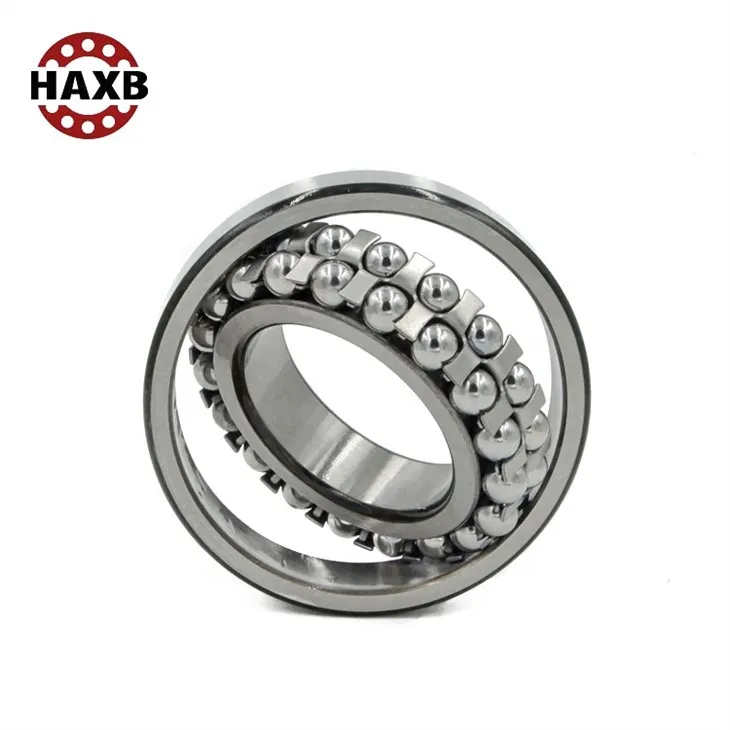

If you're in the market for ball bearings and need help selecting the right ball material, don't hesitate to [contact us]. Our team of experts can provide you with personalized advice and recommendations based on your specific requirements. We offer a wide range of ball bearings, including Four Point Contact Ball Bearing, 1202 Adjusting Spherical (self-aligning Ball) Bearing, and 6218 Water Pump Bearings, and we're committed to providing our customers with the highest quality products and services at competitive prices.
References
- Harris, T. A., & Kotzalas, M. N. (2007). Rolling Bearing Analysis. Wiley.
- Jones, A. R. (1997). Ball and Roller Bearing Engineering. CRC Press.
- Zaretsky, E. V. (2010). Rolling Bearing Life Prediction. Taylor & Francis.