




What are the packaging requirements for ball bearings?
 Jun 02, 2026|
 As a ball bearings supplier, I understand the critical role that proper packaging plays in ensuring the quality and performance of our products. Ball bearings are precision components that require careful handling and protection during storage and transportation. In this blog post, I will delve into the packaging requirements for ball bearings, exploring the key factors that need to be considered to safeguard these essential mechanical parts.
Protection Against Physical Damage
One of the primary purposes of packaging ball bearings is to protect them from physical damage. Ball bearings are often made of high - quality steel and have precise dimensions and smooth surfaces. Any scratches, dents, or impacts can significantly affect their performance and lifespan.
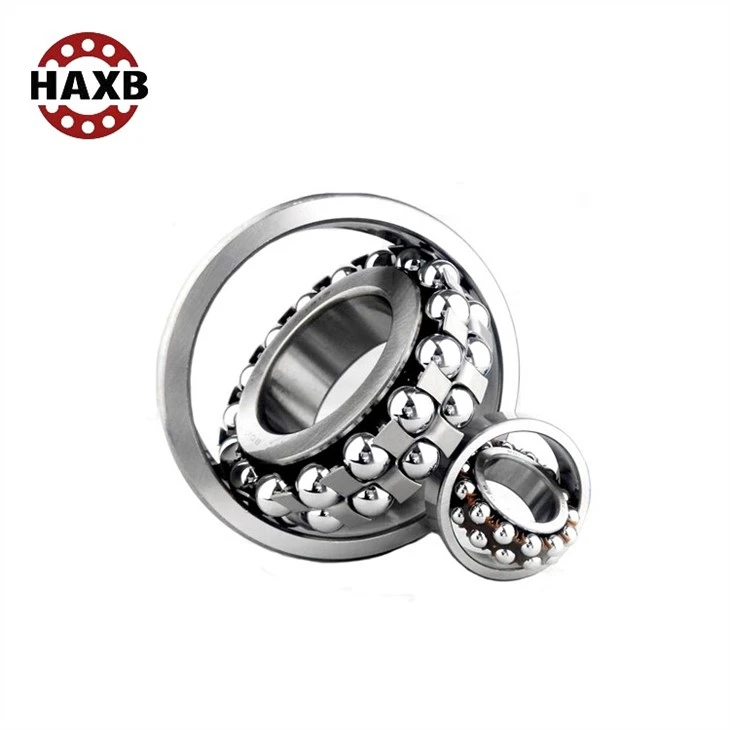
When packaging ball bearings, we use materials that can absorb shocks and vibrations. For smaller ball bearings, such as the 1206 Self - volleyball Bearing, we typically place them in individual plastic or foam compartments. These compartments are designed to hold the bearings securely in place, preventing them from moving around and colliding with each other during transit.
For larger ball bearings, we use wooden crates or heavy - duty cardboard boxes. Inside the boxes, we line the bottom and sides with shock - absorbing materials like foam or bubble wrap. The bearings are then carefully placed in the box, and additional padding is added to fill any empty spaces, ensuring that the bearings are held firmly and protected from external impacts.
Protection Against Corrosion
Ball bearings are susceptible to corrosion, especially when exposed to moisture, humidity, or certain chemicals. Corrosion can cause pitting on the bearing surfaces, which can lead to increased friction, noise, and premature failure.
To protect ball bearings from corrosion, we apply a thin layer of anti - corrosion oil or grease to the bearing surfaces before packaging. This oil or grease forms a protective barrier that prevents moisture and oxygen from coming into contact with the metal.
In addition to the anti - corrosion coating, we use moisture - resistant packaging materials. For example, we may use sealed plastic bags or containers to keep the bearings dry. Silica gel packets are often placed inside the packaging to absorb any excess moisture. This is particularly important for ball bearings that are being shipped to regions with high humidity or long - term storage.

Labeling and Identification
Proper labeling and identification are crucial for ball bearings packaging. Each package should clearly display the bearing type, size, model number, and any other relevant information. This helps our customers quickly identify the bearings they need and ensures that the correct bearings are used in their applications.
We also include information about the manufacturing date, batch number, and quality control certification on the packaging. This allows our customers to track the origin and quality of the bearings, which is especially important for industries with strict quality requirements, such as aerospace and automotive.
Compatibility with Shipping and Storage
The packaging of ball bearings must be compatible with the shipping and storage conditions. When shipping ball bearings, we need to consider the mode of transportation, such as air, sea, or land. Different shipping methods have different requirements and constraints.
For air freight, the packaging needs to be lightweight yet strong enough to withstand the rigors of flight. We use materials that meet the weight and size restrictions of airlines. For sea freight, the packaging must be able to withstand the harsh marine environment, including saltwater, humidity, and rough handling.
During storage, the packaging should protect the bearings from dust, dirt, and other contaminants. We store ball bearings in a clean, dry, and temperature - controlled environment. The packaging should also be stackable to make efficient use of storage space.
Custom Packaging Solutions
We understand that different customers may have different packaging requirements. Some customers may need special packaging for specific applications or shipping conditions. For example, customers in the food and beverage industry may require packaging that meets strict hygiene standards.
We offer custom packaging solutions to meet these diverse needs. Our team of experts can work with customers to design and develop packaging that is tailored to their specific requirements. Whether it's a unique shape, size, or material, we can create packaging that provides the best protection for the ball bearings.
Environmental Considerations
In today's world, environmental sustainability is an important consideration. We are committed to using packaging materials that are environmentally friendly. We use recyclable and biodegradable materials whenever possible, such as cardboard, paper, and certain types of plastics.
We also strive to reduce the amount of packaging waste. By optimizing the packaging design, we can use less material while still providing adequate protection for the ball bearings. This not only helps the environment but also reduces costs for our customers.
Conclusion
Proper packaging is essential for ball bearings to ensure their quality, performance, and longevity. By protecting against physical damage, corrosion, and contamination, and by providing clear labeling and identification, we can ensure that our ball bearings reach our customers in perfect condition.
If you are in the market for high - quality ball bearings and have specific packaging requirements, please feel free to contact us. We are ready to discuss your needs and provide you with the best solutions for your applications.
References
- "Handbook of Bearing Technology" by Peter J. Booser
- "Bearing Design and Application" by Robert G. Voigt