




What is the clearance in a tapered roller bearing?
 Dec 02, 2025|
 As a seasoned supplier of tapered roller bearings, I've witnessed firsthand the critical role these components play in various industrial applications. One of the most frequently asked questions I encounter is about the clearance in a tapered roller bearing. In this blog post, I'll delve into the concept of clearance, its significance, and how it affects the performance of tapered roller bearings.
Understanding Clearance in Tapered Roller Bearings
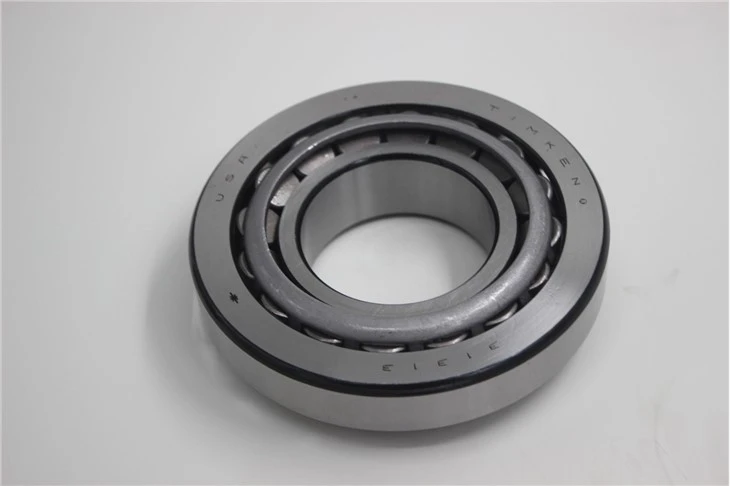
Clearance in a tapered roller bearing refers to the internal play or the amount of free movement between the bearing's components, such as the inner ring, outer ring, and rollers. It is typically measured in terms of radial or axial displacement. Radial clearance is the radial distance between the inner and outer rings when the bearing is stationary and unloaded, while axial clearance is the axial displacement between the rings.
There are two main types of clearance in tapered roller bearings: initial clearance and operating clearance. Initial clearance is the clearance measured when the bearing is new and before it is installed in a machine. Operating clearance, on the other hand, is the clearance that exists when the bearing is in operation, taking into account factors such as temperature, load, and shaft and housing fits.
Importance of Clearance
The clearance in a tapered roller bearing is crucial for its proper functioning and longevity. Here are some key reasons why clearance matters:
Lubrication
Proper clearance allows for the formation of a lubricating film between the bearing components. This film reduces friction and wear, preventing premature failure of the bearing. If the clearance is too small, the lubricant may not be able to flow freely, leading to overheating and increased wear. Conversely, if the clearance is too large, the lubricant may leak out, reducing its effectiveness.
Load Distribution
Clearance affects how the load is distributed among the rollers in the bearing. When the clearance is within the appropriate range, the load is evenly distributed, ensuring that each roller carries its share of the load. This helps to prevent excessive stress on individual rollers, which can lead to fatigue and failure.
Thermal Expansion
During operation, bearings can experience temperature changes due to friction and external heat sources. Clearance allows for thermal expansion of the bearing components without causing excessive stress or binding. If the clearance is not sufficient to accommodate thermal expansion, the bearing may seize or fail prematurely.
Noise and Vibration
Optimal clearance helps to reduce noise and vibration in the bearing. When the clearance is too small, the bearing may produce a high-pitched noise due to the tight fit between the components. On the other hand, excessive clearance can result in rattling or vibrating, which can affect the performance of the machine and cause discomfort to operators.
Factors Affecting Clearance
Several factors can influence the clearance in a tapered roller bearing. Understanding these factors is essential for selecting the right bearing and ensuring its proper installation and operation.
Shaft and Housing Fits
The fit between the bearing and the shaft and housing has a significant impact on the clearance. A tight fit can reduce the clearance, while a loose fit can increase it. It is important to choose the appropriate fit based on the application requirements and the operating conditions.
Temperature
Temperature changes can cause the bearing components to expand or contract, affecting the clearance. High temperatures can reduce the clearance, while low temperatures can increase it. When selecting a bearing, it is important to consider the expected temperature range and choose a bearing with the appropriate clearance to accommodate thermal expansion.
Load
The magnitude and direction of the load can also affect the clearance. Heavy loads can cause the bearing components to deform, reducing the clearance. In addition, the type of load, such as radial or axial load, can influence the distribution of the load among the rollers and the overall clearance.
Lubrication
The type and amount of lubricant used in the bearing can impact the clearance. Some lubricants have a higher viscosity than others, which can affect the flow of the lubricant and the formation of the lubricating film. In addition, the amount of lubricant can also affect the clearance, as too much lubricant can increase the pressure inside the bearing and reduce the clearance.
Selecting the Right Clearance
Choosing the appropriate clearance for a tapered roller bearing is a critical decision that can affect the performance and reliability of the machine. Here are some guidelines to help you select the right clearance:
Application Requirements
Consider the specific requirements of the application, such as the speed, load, temperature, and operating environment. For example, high-speed applications may require a smaller clearance to reduce vibration and noise, while heavy-load applications may require a larger clearance to accommodate the deformation of the bearing components.
Manufacturer Recommendations
Consult the bearing manufacturer's recommendations for the appropriate clearance based on the bearing type, size, and application. The manufacturer's guidelines are typically based on extensive testing and experience, and following them can help ensure the optimal performance of the bearing.
Tolerance Analysis
Perform a tolerance analysis to determine the allowable variation in the clearance due to factors such as manufacturing tolerances, shaft and housing fits, and thermal expansion. This analysis can help you select a bearing with the appropriate clearance range to ensure that it will function properly under all operating conditions.
Our Tapered Roller Bearings
At our company, we offer a wide range of tapered roller bearings with different clearances to meet the diverse needs of our customers. Our 30205 Tapered Roller Bearings are designed for high-speed and heavy-load applications, providing excellent performance and reliability. We also offer 30208 Tapered Roller Bearings that are suitable for a variety of industrial applications, including automotive, agricultural, and construction equipment.
In addition, we have a selection of Inch Single Row Tapered Roller Bearing that are available in different sizes and clearances. These bearings are known for their durability and high load-carrying capacity, making them ideal for demanding applications.
Contact Us for Procurement
If you are in the market for tapered roller bearings and need assistance in selecting the right clearance for your application, our team of experts is here to help. We have extensive knowledge and experience in the bearing industry, and we can provide you with professional advice and guidance to ensure that you choose the best bearing for your needs.

Whether you are a small business or a large corporation, we are committed to providing you with high-quality products and excellent customer service. Contact us today to start a procurement discussion and take the first step towards improving the performance and reliability of your machinery.
References
- Harris, T. A., & Kotzalas, M. N. (2007). Rolling Bearing Analysis. Wiley.
- SKF. (2019). Rolling Bearing Handbook. SKF Group.
- Timken. (2020). Tapered Roller Bearing Handbook. The Timken Company.