




What is the difference between single - row and double - row ball bearings?
 Jul 22, 2025|
Hey there! As a ball bearings supplier, I've been getting a lot of questions lately about the difference between single - row and double - row ball bearings. So, I thought I'd take the time to break it down for you all.
Let's start with single - row ball bearings. These are the most common type of ball bearings out there. They're simple, reliable, and cost - effective. A single - row ball bearing has one row of balls between the inner and outer races. This design allows it to handle radial loads, which are forces that act perpendicular to the shaft.
One of the biggest advantages of single - row ball bearings is their simplicity. They're easy to install and maintain, making them a popular choice for a wide range of applications. Whether it's in small electric motors, household appliances, or even some light - duty industrial machinery, single - row ball bearings get the job done.
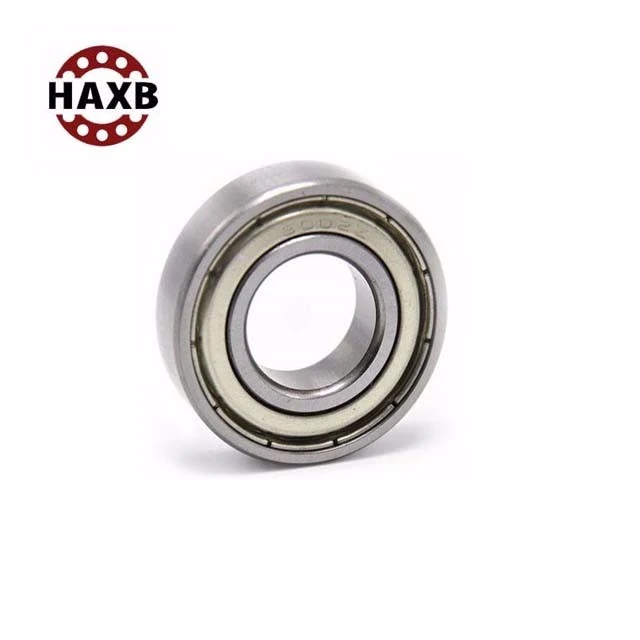
For example, the HAXB 608zz Ball Bearing is a great single - row ball bearing. It's small, but it can handle a decent amount of radial load. It's often used in skateboard wheels, small fans, and other low - load applications. The "zz" in its name indicates that it has metal shields on both sides, which helps to keep dirt and debris out of the bearing, extending its lifespan.
However, single - row ball bearings do have their limitations. They're not very good at handling axial loads, which are forces that act parallel to the shaft. If you try to use a single - row ball bearing in an application with significant axial loads, it can wear out quickly and fail prematurely.
Now, let's talk about double - row ball bearings. As the name suggests, these bearings have two rows of balls between the inner and outer races. This design gives them some unique advantages over single - row ball bearings.
Double - row ball bearings are much better at handling both radial and axial loads. The two rows of balls distribute the load more evenly, allowing the bearing to withstand higher forces. This makes them ideal for applications where there are both radial and axial forces acting on the shaft, such as in automotive transmissions, machine tool spindles, and large industrial equipment.
Take the 6405 Equip bearings for example. It's a double - row ball bearing that can handle heavy radial and axial loads. It's commonly used in high - speed and high - load applications, like in some types of pumps and compressors. The double - row design gives it the strength and durability needed to operate under these demanding conditions.
Another advantage of double - row ball bearings is their increased stiffness. The two rows of balls make the bearing more rigid, which can help to reduce vibration and noise in the system. This is especially important in applications where smooth operation is crucial, such as in precision machinery.

But, double - row ball bearings also come with some drawbacks. They're more complex and expensive than single - row ball bearings. The manufacturing process is more involved, and they require more materials. This means that they're not always the best choice for applications where cost is a major factor.
In addition, double - row ball bearings are generally larger and heavier than single - row ball bearings. This can be a problem in applications where space and weight are limited.
So, how do you choose between single - row and double - row ball bearings? Well, it all comes down to your specific application. If you have an application with mainly radial loads and cost is a concern, a single - row ball bearing is probably the way to go. But if you need to handle both radial and axial loads, or if you require a more rigid and durable bearing, then a double - row ball bearing might be the better option.
We also have the PILLOW BLOCK BEARING UCP207 Insert Bearing Housing Bearing 207, which is a type of bearing unit that can come in both single - row and double - row configurations. It's designed to be easily mounted and provides support for the shaft. This type of bearing is commonly used in conveyor systems, agricultural machinery, and other industrial applications.
If you're still not sure which type of ball bearing is right for your application, don't worry! Our team of experts is here to help. We have years of experience in the ball bearings industry, and we can provide you with the advice and guidance you need to make the best choice.
Whether you're a small business looking for a few bearings for a DIY project or a large industrial company in need of a bulk order, we've got you covered. We offer a wide range of high - quality ball bearings at competitive prices.
So, if you're interested in purchasing ball bearings, whether it's single - row or double - row, get in touch with us. We're ready to start a conversation and help you find the perfect bearings for your needs. Let's work together to ensure your machinery runs smoothly and efficiently.
References:
- Bearing Handbook, SKF
- Machinery's Handbook, Industrial Press Inc.