




What is the friction coefficient of a Radial Insert Ball Bearing?
 Jan 12, 2026|
 Hey there! As a supplier of Radial Insert Ball Bearings, I often get asked about the friction coefficient of these nifty little components. So, I thought I'd take a deep - dive into this topic and share what I know with you.
Understanding the Basics of Radial Insert Ball Bearings
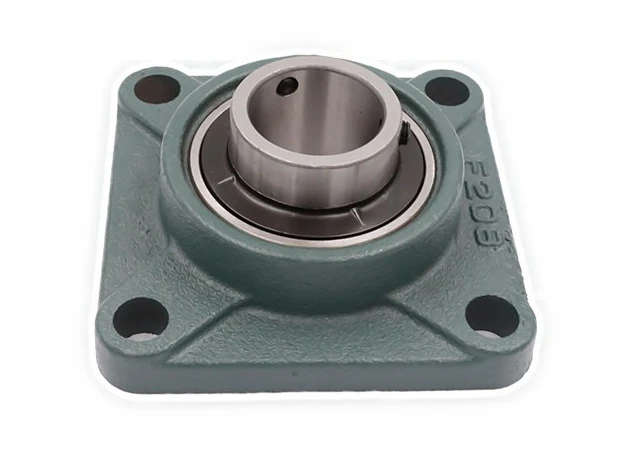
First things first, let's quickly go over what a radial insert ball bearing is. It's a type of bearing designed to support radial loads, which are forces acting perpendicular to the shaft axis. These bearings are commonly used in applications where there's a need for easy installation and replacement. They come in different shapes and sizes, and are used in a wide range of industries, from manufacturing to agriculture.
Some popular models in our product line include the YSA219 - 2FKOuter Spherical Bearing, the SB203 Insert Bearing, and the UCF208 Pillow Block Bearing. These bearings are known for their high - quality construction and performance.
What is the Friction Coefficient?
The friction coefficient is a measure of the amount of friction between two surfaces in contact. In the case of radial insert ball bearings, it refers to the friction between the balls, the raceways, and the cage. A lower friction coefficient is generally better since it means less energy is wasted as heat, leading to higher efficiency and longer bearing life.
There are two main types of friction coefficients related to bearings: static and dynamic.
Static Friction Coefficient
The static friction coefficient comes into play when the bearing is at rest and you're trying to get it moving. It's like the initial resistance you feel when you try to push a heavy box across the floor. For radial insert ball bearings, a high static friction coefficient can cause problems during startup, as it might require more force to get the bearing rotating.
Dynamic Friction Coefficient
Once the bearing is in motion, the dynamic friction coefficient takes over. This coefficient represents the friction during normal operation. A low dynamic friction coefficient means the bearing can rotate smoothly, with less wear and tear on its components. It also helps in reducing power consumption, which is a big deal in industrial applications where energy efficiency is key.
Factors Affecting the Friction Coefficient of Radial Insert Ball Bearings
Lubrication
Lubrication is one of the most important factors influencing the friction coefficient. A good lubricant forms a thin film between the moving parts of the bearing, reducing direct metal - to - metal contact. This film acts as a buffer, minimizing friction and wear. We generally recommend using high - quality lubricants specifically formulated for bearings. Different lubricants have different properties, so it's crucial to choose the right one based on the application, such as the operating temperature, speed, and load.
Load
The amount of load the bearing has to carry also affects the friction coefficient. Higher loads increase the contact pressure between the balls and the raceways, which can lead to an increase in friction. In extreme cases, excessive loads can cause the lubricant film to break down, resulting in even higher friction and potential damage to the bearing. That's why it's important to choose a bearing with the right load - carrying capacity for your application.
Speed
The rotational speed of the bearing impacts the friction coefficient as well. At higher speeds, the lubricant has to work harder to maintain the protective film. If the speed is too high, the lubricant might not be able to keep up, leading to increased friction. Additionally, high - speed rotation can generate more heat, which can further affect the properties of the lubricant and increase the friction coefficient.
Surface Finish
The surface finish of the balls and raceways plays a role in the friction coefficient. A smoother surface finish reduces the roughness between the contact surfaces, resulting in less friction. During the manufacturing process, strict quality control measures are taken to ensure the proper surface finish of our radial insert ball bearings.
Measuring the Friction Coefficient
Measuring the friction coefficient of radial insert ball bearings isn't a straightforward task. There are several methods used in the industry, each with its own advantages and limitations.
One common method is the torque measurement method. By measuring the torque required to rotate the bearing at a constant speed, we can calculate the friction coefficient. However, this method can be affected by factors such as the accuracy of the torque sensor and the alignment of the bearing.
Another method involves using specialized tribometers. These devices can simulate different operating conditions and measure the friction between the bearing components directly. While this method provides more accurate results, it's also more expensive and time - consuming.
Importance of a Low Friction Coefficient
A low friction coefficient is crucial for the performance and longevity of radial insert ball bearings. Here are some of the key benefits:
- Energy Efficiency: As I mentioned earlier, a low friction coefficient means less energy is wasted as heat. This can result in significant energy savings, especially in applications where the bearings operate continuously.
- Reduced Wear and Tear: Less friction means less wear on the bearing components. This extends the bearing's service life, reducing the need for frequent replacements and maintenance.
- Smoother Operation: Bearings with a low friction coefficient can rotate more smoothly, which is essential for applications that require precise motion control, such as in robotics and machine tools.
How We Ensure Low Friction Coefficients in Our Bearings
As a supplier, we take several steps to ensure that our radial insert ball bearings have low friction coefficients:

- Quality Materials: We source high - quality materials for the balls, raceways, and cages. These materials are carefully selected for their low friction properties and durability.
- Precision Manufacturing: Our manufacturing processes are highly precise, ensuring that the bearings have the right dimensions and surface finishes. This helps in reducing friction between the components.
- Proper Lubrication Recommendations: We provide detailed lubrication recommendations to our customers based on their specific applications. This ensures that the bearings are lubricated correctly, further reducing friction.
Conclusion
So, there you have it! The friction coefficient of radial insert ball bearings is a complex but important concept. It's affected by various factors such as lubrication, load, speed, and surface finish. A low friction coefficient offers numerous benefits, including energy efficiency, reduced wear and tear, and smoother operation.
If you're in the market for radial insert ball bearings and want to learn more about how our products can meet your needs, don't hesitate to reach out. We're here to help you with your bearing requirements and ensure that you get the best performance from your equipment.
References
- "Bearing Handbook" by SKF
- "Mechanical Engineering Design" by Joseph E. Shigley and Charles R. Mischke
- "Tribology: Friction, Lubrication, and Wear" by Bharat Bhushan