




What is the speed limit of a cylindrical roller bearing?
 Dec 22, 2025|
 Hey there! As a supplier of cylindrical roller bearings, I often get asked about the speed limit of these bearings. It's a crucial question, especially for those who rely on these components in high - speed applications. So, let's dig into what determines the speed limit of a cylindrical roller bearing.
Factors Affecting the Speed Limit
Lubrication
Lubrication plays a huge role in the speed capabilities of a cylindrical roller bearing. The right lubricant reduces friction between the rollers and the raceways. When a bearing is running at high speeds, the friction can generate a significant amount of heat. If the heat isn't dissipated properly, it can lead to premature wear and even bearing failure.
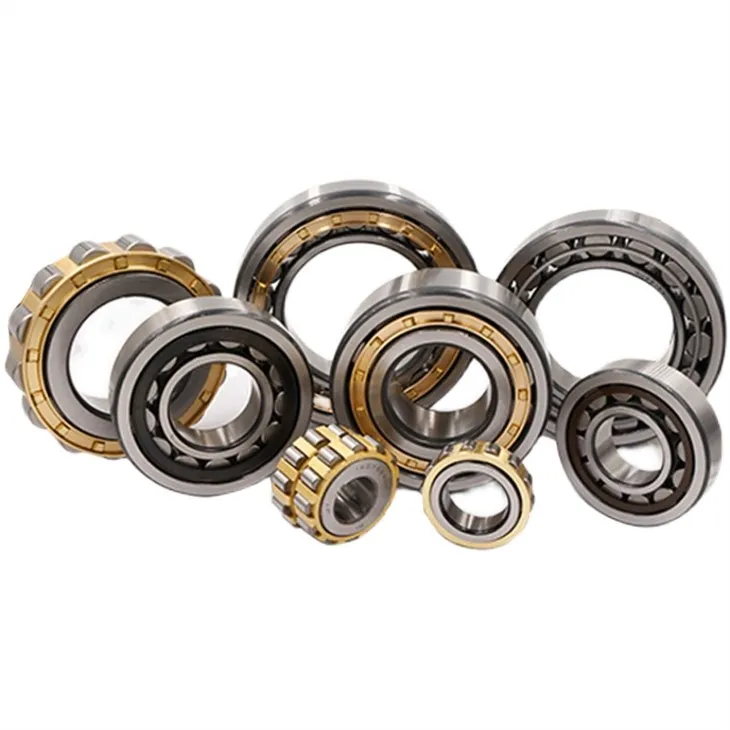

For instance, oil lubrication is often preferred for high - speed applications. It can carry away the heat generated during operation and provide a better film thickness between the moving parts. Grease lubrication, on the other hand, is more suitable for lower - speed applications. It's easier to seal and maintain, but it has limitations when it comes to high - speed heat dissipation.
Bearing Design
The design of the cylindrical roller bearing also impacts its speed limit. Bearings with a larger diameter generally have a lower speed limit compared to smaller ones. This is because the centrifugal forces acting on the rollers increase with the diameter. As the speed goes up, these forces can cause the rollers to move out of their proper position, leading to uneven wear and reduced performance.
Another design aspect is the cage. The cage holds the rollers in place and guides their movement. A well - designed cage can reduce the friction and allow for smoother operation at higher speeds. For example, a machined brass cage is often used in high - speed applications as it can withstand the forces and heat better than some other materials.
Load
The load on the bearing is yet another important factor. A bearing under a heavy load will have a lower speed limit. When a load is applied, it increases the pressure between the rollers and the raceways. At high speeds, this increased pressure can cause excessive wear and deformation. So, if you're planning to run a cylindrical roller bearing at high speeds, you need to make sure the load is within the recommended range.
Calculating the Speed Limit
There isn't a one - size - fits - all formula to calculate the speed limit of a cylindrical roller bearing. Manufacturers usually provide speed ratings based on extensive testing. These ratings are often given in revolutions per minute (RPM).
However, it's important to note that these ratings are based on ideal conditions. In real - world applications, factors like lubrication, load, and operating environment can all affect the actual speed limit. So, it's always a good idea to consult with the bearing manufacturer or an expert before selecting a bearing for a high - speed application.
Examples of Different Cylindrical Roller Bearings and Their Speed Capabilities
Let's take a look at some specific types of cylindrical roller bearings and their speed capabilities.
The NU318EM Cylindrical Roller Bearing is a popular choice in many industrial applications. It has a relatively large diameter, which means its speed limit might be lower compared to smaller bearings. But with proper lubrication and under the right load conditions, it can still operate at a decent speed.
The Double Row Cylindrical Roller Bearing is designed to handle higher radial loads. Due to its double - row design, it can distribute the load more evenly. However, this also means that its speed limit might be affected by the additional mass and complexity. But again, with the right design and lubrication, it can perform well in high - speed applications.
The NJ204EM Cylindrical Roller Bearings are smaller in size. Smaller bearings generally have a higher speed limit because of the lower centrifugal forces. They are often used in applications where high - speed operation is required, such as in some types of electric motors.
Tips for Maximizing the Speed of Cylindrical Roller Bearings
If you want to get the most out of your cylindrical roller bearings in terms of speed, here are some tips:
- Proper Lubrication: Make sure you're using the right lubricant for your application. Regularly check the lubricant level and quality, and replace it as needed.
- Correct Installation: Improper installation can cause misalignment and increase the load on the bearing. Follow the manufacturer's installation instructions carefully.
- Monitoring: Use vibration sensors and temperature sensors to monitor the bearing's performance. If you notice any abnormal vibrations or temperature increases, it could be a sign of a problem.
Conclusion
So, as you can see, the speed limit of a cylindrical roller bearing is determined by a variety of factors, including lubrication, bearing design, and load. Each type of bearing has its own speed capabilities, and it's important to choose the right one for your specific application.
If you're in the market for cylindrical roller bearings and need help selecting the right one for your high - speed application, don't hesitate to reach out. We're here to assist you in finding the perfect bearing solution. Whether you need more information about speed limits, or you're ready to place an order, we're just a message away. Let's work together to ensure your machinery runs smoothly and efficiently.
References
- "Rolling Bearing Analysis" by Tedric A. Harris
- Manufacturer's catalogs for cylindrical roller bearings