




What is the speed limit of a tapered roller bearing?
 Jul 23, 2025|
Hey there! As a supplier of tapered roller bearings, I often get asked about the speed limit of these nifty little components. So, I thought I'd take a moment to break it down for you in plain English, or well, plain American English.
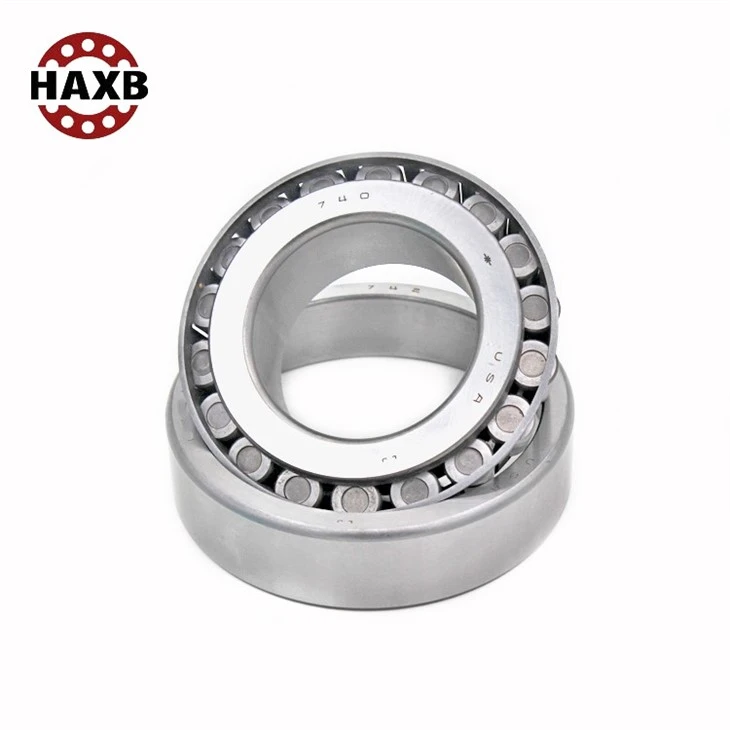
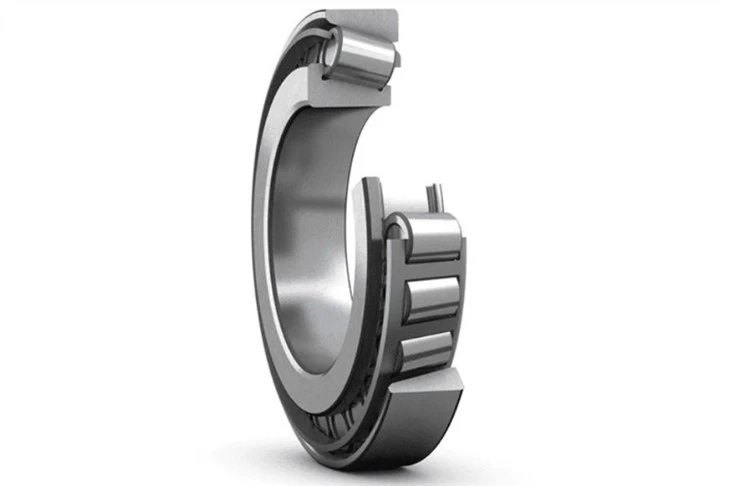
First off, let's talk about what a tapered roller bearing is. If you're not in the know, it's a type of rolling-element bearing that can handle both radial and axial loads. They're used in a whole bunch of applications, from cars and trucks to industrial machinery. The tapered shape of the rollers allows them to distribute loads evenly, which is super important for keeping things running smoothly.
Now, to the big question: what's the speed limit of a tapered roller bearing? Well, it's not as simple as giving you a single number. There are a bunch of factors that come into play when determining how fast a tapered roller bearing can spin.
One of the most important factors is the design of the bearing itself. Different bearing designs have different capabilities. For example, a bearing with a larger diameter will generally have a lower speed limit than a smaller one. That's because the larger the diameter, the more centrifugal force is generated as the bearing spins. This can put extra stress on the rollers and the raceways, which can lead to premature wear and failure.
Another factor is the quality of the materials used to make the bearing. High-quality materials can withstand higher speeds and loads without breaking down. For instance, bearings made from premium-grade steel are often able to handle more stress than those made from lower-quality materials.
The lubrication of the bearing is also crucial. Proper lubrication reduces friction between the rollers and the raceways, which helps to keep the bearing cool and running smoothly. If the bearing isn't lubricated correctly, it can overheat, which can cause the rollers to wear out quickly and the bearing to fail.
The operating conditions of the bearing also play a role. If the bearing is operating in a dirty or harsh environment, it may not be able to spin as fast as it would in a clean, controlled environment. Dirt and debris can get into the bearing and cause damage to the rollers and the raceways, which can reduce its speed limit.
So, with all these factors in mind, how can you figure out the speed limit of a specific tapered roller bearing? Well, most bearing manufacturers provide speed ratings for their products. These ratings are based on a set of standard test conditions and can give you a good idea of how fast the bearing can spin under normal circumstances.
For example, let's take a look at some of the bearings we offer. The L44649/44610 Tapered Bearing has a specific speed rating that's determined by its design, materials, and other factors. This rating gives you an idea of how fast the bearing can spin safely in a typical application.
The T25590/25520 Industrial Machinery Bearings are designed for use in industrial machinery, where they may need to handle high speeds and heavy loads. The speed limit of these bearings is carefully calculated to ensure they can perform reliably in these demanding applications.
And the 31308 Industrial Shaft Bearings are commonly used in industrial shafts. Their speed limit is determined by a combination of their design, materials, and the specific requirements of the shaft they're being used in.
But here's the thing: these speed ratings are just guidelines. In real-world applications, you may need to adjust the speed based on the actual conditions. For example, if you're using a bearing in an application where it's subjected to more vibration or shock than normal, you may need to reduce the speed to ensure the bearing's longevity.
It's also important to note that exceeding the speed limit of a bearing can have serious consequences. It can lead to premature wear, increased noise and vibration, and even complete bearing failure. This can result in costly downtime and repairs, so it's definitely not something you want to do.
If you're not sure what speed limit is appropriate for your application, it's a good idea to consult with a bearing expert. They can help you choose the right bearing for your needs and give you advice on how to operate it safely and efficiently.
As a tapered roller bearing supplier, we have a team of experts who can help you with all your bearing needs. Whether you're looking for a specific bearing like the L44649/44610 Tapered Bearing, the T25590/25520 Industrial Machinery Bearings, or the 31308 Industrial Shaft Bearings, or you need help determining the speed limit for your application, we're here to assist you.
We offer a wide range of tapered roller bearings at competitive prices. Our bearings are made from high-quality materials and are designed to meet the highest standards of performance and reliability. We also provide excellent customer service, so you can be sure that you're getting the support you need.
If you're interested in purchasing tapered roller bearings or have any questions about our products, don't hesitate to reach out to us. We're always happy to have a chat and help you find the right solution for your needs.
In conclusion, the speed limit of a tapered roller bearing is determined by a variety of factors, including the design of the bearing, the quality of the materials, the lubrication, and the operating conditions. By understanding these factors and working with a reliable bearing supplier, you can ensure that your bearings are operating safely and efficiently at the right speed for your application.
References
- "Rolling Bearing Analysis" by Tedric A. Harris
- "Handbook of Bearings" by John W. Hall