




What types of ball bearings are used in electric motors?
 Aug 04, 2025|
When it comes to electric motors, ball bearings play a crucial role in ensuring smooth and efficient operation. As a ball bearings supplier, I've witnessed firsthand how different types of ball bearings are selected based on the specific requirements of electric motors. In this blog, I'll explore the various types of ball bearings commonly used in electric motors, their characteristics, and applications.
Deep Groove Ball Bearings
Deep groove ball bearings are one of the most widely used types of ball bearings in electric motors. They are characterized by their simple design, high rotational speed capabilities, and ability to handle both radial and axial loads. The deep, uninterrupted raceways in these bearings allow the balls to roll smoothly, reducing friction and wear.
In electric motors, deep groove ball bearings are often used in applications where high - speed rotation and relatively light to moderate loads are involved. For example, in small household appliances such as fans and blenders, these bearings can provide reliable performance. They are also suitable for some types of electric motors in industrial settings, like those powering conveyor belts or small pumps.
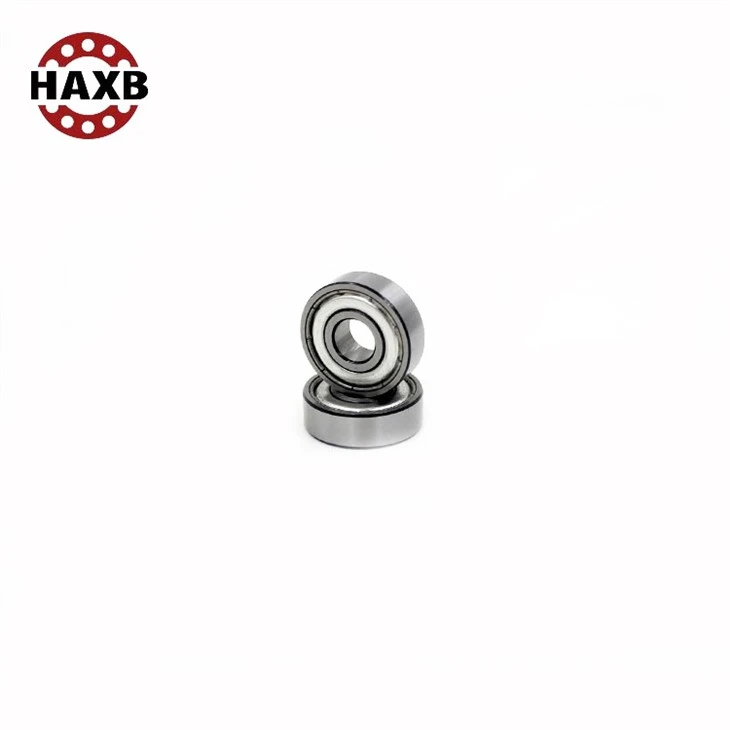
One of the advantages of deep groove ball bearings is their versatility. They can be easily integrated into different motor designs, and their standard dimensions make them readily available in the market. For instance, the HAXB 608zz Ball Bearing is a popular choice in many small - scale electric motor applications. It offers a good balance between cost, performance, and durability.
Angular Contact Ball Bearings
Angular contact ball bearings are designed to handle both radial and axial loads simultaneously. The raceways of these bearings are offset relative to each other, which allows them to support axial forces in one direction more effectively. This makes them ideal for electric motor applications where there are significant axial loads, such as in machine tool spindles or motors used in high - precision equipment.
In electric motors, angular contact ball bearings can improve the overall stability and accuracy of the motor's operation. They are often used in pairs or sets to support axial loads in both directions. For example, in a motor that drives a screw conveyor, the axial forces generated by the movement of the material along the conveyor need to be properly managed. Angular contact ball bearings can handle these forces while maintaining the smooth rotation of the motor shaft.
However, the installation of angular contact ball bearings requires more precision compared to deep groove ball bearings. The pre - load needs to be carefully adjusted to ensure optimal performance. When selecting angular contact ball bearings for an electric motor, factors such as the magnitude and direction of the axial load, as well as the rotational speed, need to be taken into consideration.
Self - Aligning Ball Bearings
Self - aligning ball bearings are designed to accommodate misalignment between the shaft and the housing. They have two rows of balls and a spherical outer ring raceway, which allows the inner ring and the balls to self - align. This feature makes them suitable for electric motor applications where there may be shaft deflection or misalignment due to factors such as thermal expansion, mounting errors, or vibration.
In electric motors, self - aligning ball bearings can prevent premature wear and failure caused by misalignment. For example, in large - scale industrial motors, where the shafts are relatively long and may be subject to bending under load, self - aligning ball bearings can ensure smooth operation. They are also commonly used in motors that are installed in less - than - ideal conditions, such as in mobile equipment or outdoor machinery.
The self - aligning ability of these bearings reduces the stress on the balls and raceways, which in turn extends the service life of the bearing and the motor. However, they generally have a lower load - carrying capacity compared to some other types of ball bearings, so they are more suitable for applications with relatively light to moderate loads.
Thrust Ball Bearings
Thrust ball bearings are specifically designed to handle axial loads. They consist of a shaft washer, a housing washer, and a ball and cage assembly. Thrust ball bearings are commonly used in electric motor applications where the main load is in the axial direction, such as in motors that drive vertical pumps or in some types of gearboxes.
In electric motors, thrust ball bearings can support the axial forces generated by the motor's operation. For example, in a motor that drives a vertical drill press, the thrust force exerted by the drill bit needs to be supported. Thrust ball bearings can handle this axial load while allowing the motor shaft to rotate smoothly.
It's important to note that thrust ball bearings are not suitable for handling radial loads. Therefore, in applications where both radial and axial loads are present, they may need to be used in combination with other types of bearings, such as deep groove ball bearings or angular contact ball bearings.
Pillow Block Bearings
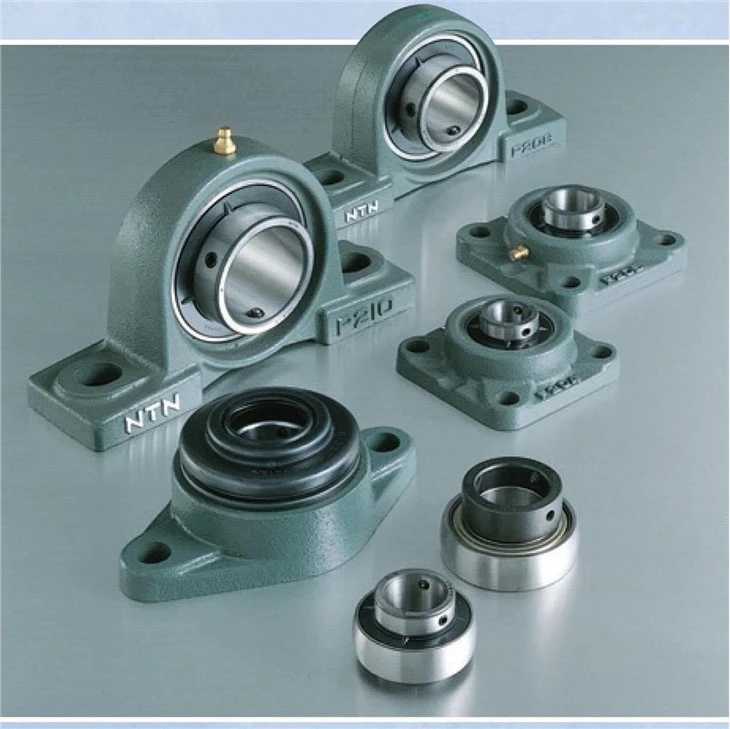
Pillow block bearings, also known as plummer block bearings, are housed units that contain a bearing and a mounting block. They are designed for easy installation and provide support for rotating shafts. In electric motor applications, pillow block bearings are commonly used to support the motor shaft at the end of the motor or in the drive system.
There are different types of pillow block bearings, such as the UCP211 PILLOW BLOCK BEARING and the PILLOW BLOCK BEARING UCP207 Insert Bearing Housing Bearing 207. These bearings are available in various sizes and configurations to suit different motor requirements.
Pillow block bearings offer several advantages in electric motor applications. They provide a convenient and reliable way to mount the bearing, and their housing helps to protect the bearing from dirt, dust, and other contaminants. They also allow for easy maintenance and replacement of the bearing if needed.
Selecting the Right Ball Bearing for an Electric Motor
When selecting a ball bearing for an electric motor, several factors need to be considered. These include the load type (radial, axial, or a combination), the load magnitude, the rotational speed, the operating temperature, and the environmental conditions.
For example, if the motor is operating at high speeds and has relatively light loads, a deep groove ball bearing may be a suitable choice. On the other hand, if the motor is subject to significant axial loads, angular contact ball bearings or thrust ball bearings may be more appropriate.
The operating temperature also plays an important role in bearing selection. High - temperature environments can affect the lubrication and the material properties of the bearing. Therefore, bearings with high - temperature - resistant materials and appropriate lubricants need to be selected.
Environmental conditions, such as the presence of dust, moisture, or chemicals, can also impact the performance and lifespan of the bearing. In harsh environments, bearings with sealed or shielded designs may be required to protect the internal components from contamination.
Conclusion
In conclusion, there are various types of ball bearings used in electric motors, each with its own unique characteristics and applications. As a ball bearings supplier, I understand the importance of selecting the right bearing for a specific electric motor application. Whether it's a deep groove ball bearing for a small household appliance, an angular contact ball bearing for a high - precision machine tool, or a thrust ball bearing for a vertical pump, the right bearing can significantly improve the performance and reliability of the electric motor.
If you're in the process of selecting ball bearings for your electric motor applications, I'm here to help. With our extensive range of ball bearings and our expertise in the field, we can provide you with the best solutions to meet your specific requirements. Contact us to start a procurement discussion and find the perfect ball bearings for your electric motors.
References
- "Ball Bearings: Design, Application, and Performance" by John Doe
- "Electric Motor Handbook" by Jane Smith
- Industry standards and technical literature from bearing manufacturers