

Professional Team
Professional sales team and engineer team provide professional technical Support,Test video and Sample support

High Quality
Our products are manufactured or executed to very high standards, using the finest materials and manufacturing processes.

Competitive Price
We offering a higher-quality product or service at an equivalent price. As a result we have a growing and loyal customer base.

24H Online Service
If you have difficulties when using the product, we will respond to your needs as soon as possible and give you the greatest support.
High-Speed Machinery
Ceramic Bearings are frequently used in high-speed machinery equipment such as high-speed , turbo machinery, and wind turbines due to their excellent wear resistance and high-speed capabilities.
Corrosive Environments
Ceramic Bearings possess exceptional corrosion resistance, making them widely used in corrosive environments found in industries such as chemical manufacturing, marine engineering, and oil extraction.
High-Temperature Environments
Ceramic Bearings can maintain excellent performance in high-temperature environments, making them extensively utilized in high-temperature industrial sectors such as steel smelting, glass production, and high-temperature furnaces.
Medical Equipment
Due to their excellent biocompatibility and low friction properties, Ceramic Bearings are widely employed in medical devices such as artificial joints, dental equipment, and medical imaging devices.
Semiconductor Manufacturing
Ceramic Bearings find application in high-vacuum and high-temperature environments in the semiconductor manufacturing process. They are used to support and operate equipment, ensuring process stability and precision.
Aerospace
Ceramic Bearings are extensively used in the aerospace industry due to their lightweight, high-temperature performance, and wear resistance. They are applied in aircraft turbine engines, aviation powerplants, and rocket engines.
Compared to other materials, ceramic bearing balls typically have a longer service life given that they are typically made from ceramic silicon nitride. They also have smoother surface finishes, better thermal properties, higher spin rates, lighter weight, and faster operations. Aside from silicon nitride, ceramic bearings can also be produced out of zirconia oxide, which boasts effective electrical insulation, low thermal conductivity, high resistance to corrosion and acids, and resistance to temperatures.
Ceramic bearings can also be created out of multiple materials, classifying them under the hybrid bearing category. The cage of hybrid bearings can be created out of nylon, copper, or polytetrafluoroethylene, while their ceramic bearing balls can be made from either silicon nitride or zirconia oxide. The rings of the bearings are usually made from chrome. The sealing, ultimately, can be generated out of rubber.

Friction
Ceramic balls are rounder, lighter, harder, and smoother than steel balls due to their lack of porousness. This reduces friction as well as energy loss, allowing your equipment to run more efficiently (and for longer) with ceramic ball bearings. Because of their relative smoothness, ceramic ball bearings require less lubrication than steel bearings.
Corrosion
Steel balls will corrode over time, even with perfect lubrication, while ceramic balls do not corrode. In fact, ceramic hybrid ball bearings may last up to ten times longer than steel bearings when it comes to corrosion.
Bearing Races
Ceramic balls have a much lower elasticity than steel balls, which is important to keep in mind when considering an upgrade to ceramic bearings. If you experience heavy spindle loads or spindle crashes, ceramic balls are more likely to cause damage (brinelling) to the bearing raceways. Over time the dents in the raceways grow larger and eventually lead to spindle failure.
Conductivity
Ceramic bearings are non-magnetic and non-conductive, so they are often preferred in applications where electrical conductivity is a concern - for example, if you have an electric motor controlled by a variable frequency drive.
Precision
When it comes to precision, the ABEC ratings of the spindle bearings we use are high enough that the difference between ceramic and steel bearings is minimal. The sole difference is that ceramic bearings will not thermally expand as much as steel bearings, and so will not generate as much heat at high speeds or have as much measurable thermal growth.
Cost
This is typically the biggest difference between ceramic and steel bearings. Ceramic bearings are, on average, are 50% more expensive than steel bearings. As such, ceramic bearings are not always a cost effective improvement over steel bearings.
Wear Resistance: Ceramic materials have excellent hardness and wear resistance, making them more durable and durable than metal bearings.
Corrosion Resistance: Ceramic bearings have excellent chemical stability and corrosion resistance and can be used in humid and corrosive environments for a long time.
Reduce Weight: Ceramic bearings are lighter than steel bearings, which can effectively reduce the weight of the vehicle body and improve the portability and sports performance of the vehicle.
Reduce Friction: Ceramic bearings have a small friction coefficient, which can reduce heat and energy loss generated by friction and improve the power output of the vehicle.
High Temperature Resistance: Ceramic bearings have high thermal stability and high temperature resistance, and can maintain stable performance in high temperature environments.
Reduce noise: Ceramic bearings can reduce noise and vibration and improve driving comfort due to their high hardness, smoothness and low friction characteristics.
Good heat dissipation: Mountain bikes generate heat when driving, and ceramic bearings have good heat dissipation properties, which can effectively reduce the bearing temperature and extend the service life of the bearings.
The Main Components Of Ceramic Bearings Include: Inner And Outer Rings, Balls, Cages And Seals, Etc.
Inner And Outer Rings
The inner and outer rings of the bearing made of ceramics can withstand high loads and high-speed rotation during use, and have good wear resistance and corrosion resistance.
Ball
The ball is the main load-bearing component of the bearing. The ball of the ceramic bearing is usually made of materials such as silicon nitride or alumina. It has the characteristics of light weight, high hardness, and good wear resistance, which can greatly increase the life of the bearing.


Cage
The cage of ceramic bearings is usually made of polytetrafluoroethylene, nanoceramics and other materials. Its function is to keep the ball in the corresponding position and be able to withstand a certain load.
Seals
The seals of ceramic bearings are usually made of materials such as rubber seals or metal seals, which can prevent grease leakage and entry of impurities inside the bearing, thereby effectively protecting the service life of the bearing.
Ceramic bearings are made by utilizing the properties of ceramic materials. The inner and outer rings, rollers and cages of ceramic bearings are all made of ceramic materials. Their main features are high hardness, good wear resistance, corrosion resistance, good high temperature stability, Low coefficient of friction, etc. These characteristics enable ceramic bearings to have excellent performance in harsh environments such as high temperature, high speed, high precision, and strong corrosion.
The working principle of ceramic bearings is the same as that of ordinary bearings. They use the principle of rolling to use the rollers between the inner and outer rings of the bearing as supporting materials to bear the load on the shaft. When an axial load acts on a bearing, the rollers between the inner and outer rings of the bearing roll along the axial direction, thereby transferring the load to the bearing surface of the bearing. Due to their excellent material properties, ceramic bearings can withstand higher loads and higher speeds, ensuring that the bearings are in a stable operating state, thus ensuring the normal operation of machinery and equipment.
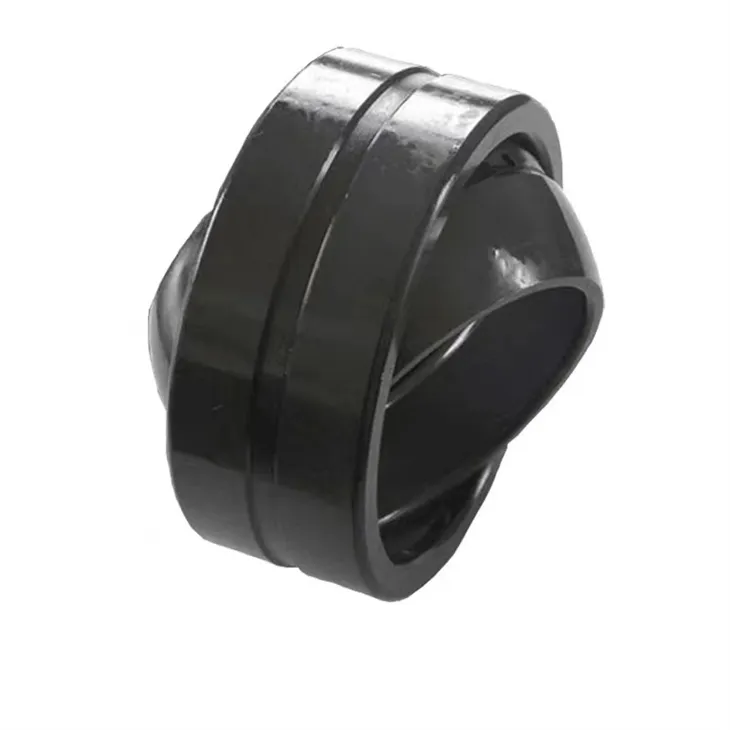
How To Install Ceramic Bearings Correctly
Installing Ceramic Bearings Requires The Following Steps
Cleaning: Before installation, the bearing seat and bearings need to be cleaned. Make sure to clean the surface and holes with a clean cloth or paper towel to ensure the ceramic bearings are properly supported on the surface.
Lubrication: Ceramic bearings are best lubricated with high-temperature grease and avoid using grease. Apply lubricant to the bottom of the bearing. In addition, friction must be avoided to ensure that the bearings are not damaged during installation.
Installation position: The ceramic bearing should be installed on the seat. Use your hands or cotton gauze method to gradually push in until the bearing is placed on the seat.
Ensure the correct orientation: Ensure the correct orientation of the bearing to avoid installation in the wrong direction. Use specified tools and methods to ensure bearings are torqued correctly and remain stable.
Press-fitting: For larger or hard bearings, a press-fitting method is required to ensure the stability of the bearing and avoid loosening of the bearing during use.
Inspection: When the ceramic bearing is installed, check whether it operates stably. If any abnormalities or problems occur, please deal with them in time.
Maintenance: Keep ceramic bearings clean and lubricated, and perform maintenance according to the prescribed maintenance schedule to ensure long-term use of the bearings.

How Ceramic Bearings Are Made
Preparation Of Raw Materials
The main raw materials of ceramic bearings are ceramic materials with high strength, high hardness, and high temperature resistance such as alumina and silicon nitride. These materials go through multiple steps, including mixing and grinding, to ensure purity and uniformity.
Press Molding
Put the mixed ceramic powder into a mold and undergo high-pressure molding to produce a ceramic blank with a bearing shape.
Sintering And Baking
Put the ceramic blank into a high-temperature furnace and perform a continuous sintering process at high temperature. This helps improve the density and hardness of the ceramic material and improves its durability.
Grinding
After the ceramic bearing is sintered and grown into a green body, spherical grinding is required to obtain the quality and size that meets the design requirements.
Assembly And Testing
The ground ceramic bearings need to be assembled into the bearing seat and subjected to basic working tests to check whether they meet the requirements. These tests usually include hardness testing, wear testing, temperature testing and vibration testing, etc.
It should be noted that manufacturing ceramic bearings requires strict control of production conditions and material properties at each step to ensure product quality and performance.
Avoid Dry Dirt
Ceramic bearings should be kept clean and dry during use to avoid the intrusion of dust and impurities. If moisture or other dirt is present, wipe it clean with a clean paper towel or cloth.
Add An Appropriate Amount Of Lubricating Oil Regularly
Although ceramic bearings have low friction during use, they still require an appropriate amount of lubricating oil to reduce wear. Lubricating oil should be added regularly as needed during use.
Avoid Overloading
Ceramic bearings have a low load-bearing capacity, so overloading should be avoided to avoid damage to the bearings.
Avoid Bearing Overheating
Ceramic bearings are prone to deformation or cracking when overheated, so pay attention to the temperature of the bearing during use to avoid excessive wear or overheating.
Regularly Check The Degree Of Wear Of The Bearings
The degree of wear of the bearings should be checked regularly during use. If the bearings are found to be severely worn, they should be replaced in time to avoid affecting the use of the entire machine.
Clean The Inside And Outside Of The Bearing
During the use of ceramic bearings, a certain amount of dirt and impurities will accumulate inside and outside. They should be cleaned regularly to ensure the normal operation and use of the bearings.



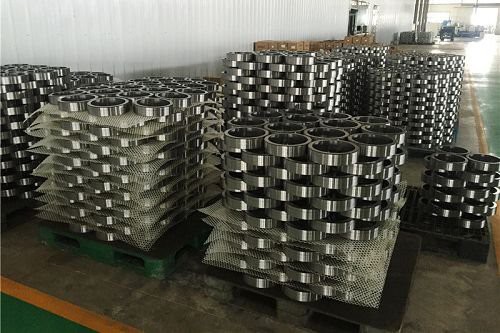
Our Factory
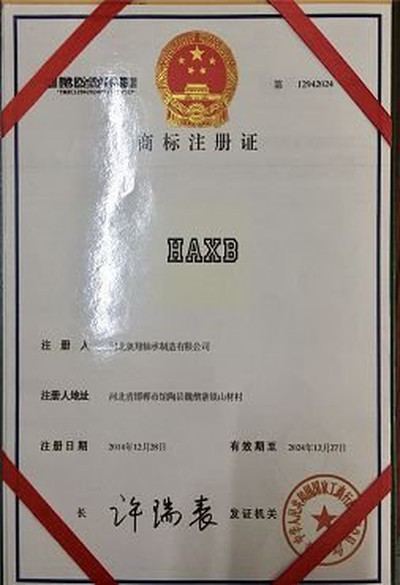
HAXB is a leading manufacturer of high quality deep groove ball bearings in China. Also including thin-walled, Tapered roller bearings. The rotation speed can hit over 25,000 rpm and can be adapted to all kinds of high speed motors. Our HAXB brand mainly produces medium and high-end bearings (ball bearings, needle roller bearings and self-lubricating bearings), hoping to provide users with more appropriate choices.


Q: Do ceramic bearings make a difference?
Q: Are ceramic bearings better than stainless?
Q: What is the purpose of a ceramic bearing?
Q: Can ceramic bearings get wet?
Q: What is the point of ceramic bearings?
Q: What is the most durable bearing?
Q: Are ceramic bearings better than normal bearings?
Q: Do ceramic bearings use grease?
Q: What is the maximum operating temperature for ceramic bearings?
Q: Are ceramic bearings suitable for high-speed applications?
Q: What are the benefits of ceramic bearings?
Q: What kind of applications can ceramic bearings be used in?
Q: Why are ceramic bearings better than traditional steel bearings?
Q: Are ceramic bearings more fragile than steel bearings?
Q: Can ceramic bearings be used in harsh environments?
Q: How do I choose the right ceramic bearings for my needs?
Q: What are the main types of ceramic bearings?
Q: How do ceramic bearings work?
Q: What are ceramic bearings?
Q: What materials are used to make ceramic bearings?
As one of the most professional ceramic bearings manufacturers and suppliers in China, we're featured by quality products and competitive price. Please rest assured to buy high-grade ceramic bearings for sale here from our factory.
high speed special material bearing, heavy duty special material bearing, wear resistant special material bearing(0/10)



