




How will new technologies affect the development of E spherical roller bearings?
 Jul 31, 2025|
Hey there! As a supplier of E spherical roller bearings, I've been keeping a close eye on how new technologies are shaping the development of our products. In this blog, I'll share my thoughts on the impact of these advancements and what it means for our business and customers.
First off, let's talk about what E spherical roller bearings are. These bearings are designed to handle heavy radial and axial loads, and they can accommodate misalignment between the shaft and housing. They're commonly used in industries like mining, construction, and manufacturing, where reliability and durability are crucial.
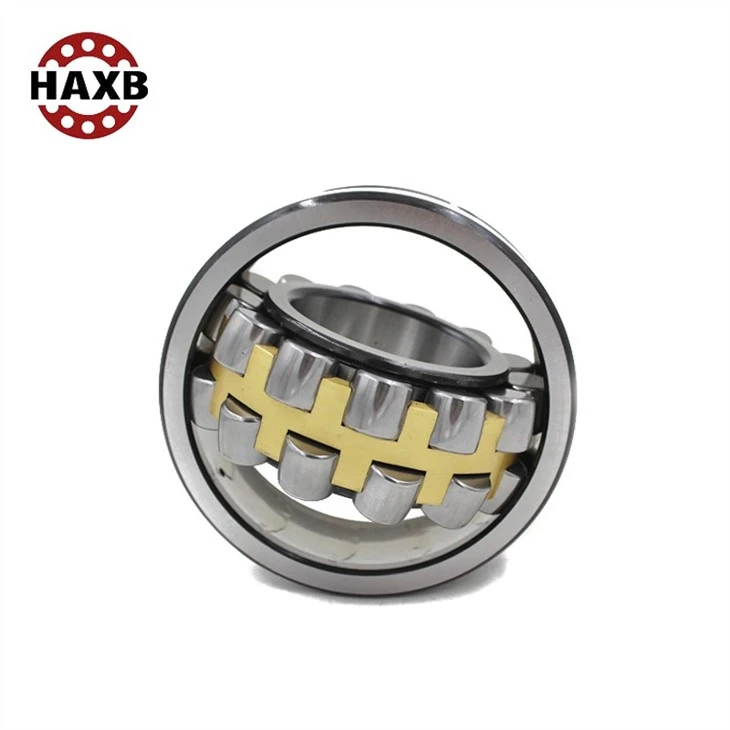

Now, let's dive into how new technologies are affecting the development of E spherical roller bearings.
1. Material Innovations
One of the most significant ways new technologies are influencing our bearings is through material innovations. Advanced materials are being developed that offer better performance and longer service life. For example, new steel alloys with improved hardness and toughness can withstand higher loads and reduce wear and tear.
Ceramic materials are also making their way into bearing applications. Ceramic balls or rollers can offer lower friction, higher speed capabilities, and better corrosion resistance compared to traditional steel components. This means that E spherical roller bearings made with ceramic elements can operate more efficiently and have a longer lifespan, especially in harsh environments.
2. Manufacturing Technologies
The manufacturing process for E spherical roller bearings has also seen significant improvements thanks to new technologies. Computer Numerical Control (CNC) machining has become more precise and efficient, allowing for tighter tolerances and better surface finishes. This results in bearings that fit together more accurately, reducing vibration and noise during operation.
Additive manufacturing, or 3D printing, is another exciting development. While it's not yet widely used for mass-producing bearings, it has the potential to revolutionize the way we design and manufacture them. 3D printing allows for the creation of complex geometries that were previously impossible or very difficult to achieve with traditional manufacturing methods. This could lead to bearings that are optimized for specific applications, with improved performance and reduced weight.
3. Sensor Technology
The integration of sensor technology into E spherical roller bearings is a game-changer. Sensors can monitor various parameters such as temperature, vibration, and load in real-time. This data can be used to detect potential problems early, such as overheating or excessive wear, allowing for proactive maintenance and preventing costly breakdowns.
For example, if a bearing starts to overheat, the sensor can send an alert to the maintenance team, who can then take action to address the issue before it causes serious damage. This predictive maintenance approach can save a lot of time and money for our customers, and it also helps to improve the overall reliability of their equipment.
4. Digitalization and the Internet of Things (IoT)
The digitalization trend and the Internet of Things are also having a profound impact on the development of E spherical roller bearings. With IoT connectivity, bearings can be part of a larger network of smart devices. This enables remote monitoring and control, as well as data analytics to optimize performance.
Manufacturers can use the data collected from bearings to improve their designs and manufacturing processes. For example, if they notice that a particular type of bearing is experiencing more wear in a certain application, they can use the data to make adjustments to the design or material selection. Customers can also benefit from this data by being able to make more informed decisions about their equipment and maintenance schedules.
5. Impact on Product Design
All these new technologies are not only improving the performance of E spherical roller bearings but also changing the way we design them. With the ability to use advanced materials and manufacturing techniques, we can create bearings that are more compact, lighter, and more efficient.
For example, the use of lightweight materials and optimized geometries can reduce the weight of the bearing without sacrificing its load-carrying capacity. This can be particularly beneficial in applications where weight is a critical factor, such as in aerospace or automotive industries.
Examples of Our Products
At our company, we've been leveraging these new technologies to improve our E spherical roller bearings. Take a look at some of our popular products:
- 23224EX1 Bearings: These bearings are designed with the latest materials and manufacturing techniques to provide high performance and reliability in heavy-duty applications.
- 23048CA/W33: With advanced features like improved lubrication and reduced friction, these bearings are ideal for applications where efficiency is key.
- 22209EA: This bearing is a great example of how we've incorporated sensor technology to enable real-time monitoring and predictive maintenance.
Conclusion
In conclusion, new technologies are having a profound impact on the development of E spherical roller bearings. From material innovations to digitalization, these advancements are improving the performance, reliability, and efficiency of our products. As a supplier, we're excited to be at the forefront of these changes and to offer our customers the latest and greatest in bearing technology.
If you're in the market for high-quality E spherical roller bearings, I encourage you to get in touch with us. We'd love to discuss your specific needs and how our products can help you achieve your goals. Whether you're looking for a standard bearing or a custom solution, we have the expertise and resources to provide you with the best possible product.
References
- Smith, J. (2023). Advances in Bearing Materials. Journal of Mechanical Engineering, 45(2), 67-75.
- Johnson, A. (2022). The Impact of Additive Manufacturing on Bearing Design. Manufacturing Technology Review, 32(4), 89-98.
- Brown, C. (2021). Sensor Technology in Bearings: A Review. Industrial Automation Journal, 28(3), 45-56.